Korean on the Global Stage: Language, AI & Live Events
Korean is reaching audiences far beyond South Korea. From K-pop and Korean cinema to technology, education, and international business, interest in the Korean language continues to grow worldwide. But understanding Korean entertainment is different from following a live business presentation, academic discussion, or international conference. As South Korea hosts more events connecting local speakers with global audiences, real-time Korean interpretation is becoming an important part of international communication.
So, what makes Korean interpretation unique, and how can event organizers make multilingual experiences more accessible?
Korean Is Becoming an Important Language for Global Communication
South Korea has established itself as a major destination for international business, technology, academic collaboration, and cultural exchange. As Korean companies expand globally and international professionals participate in events across the country, communicating effectively between Korean and other languages has become increasingly important.
Interest in learning Korean also reflects this growing international presence. According to the King Sejong Institute Foundation, enrollment at King Sejong Institutes reached 239,020 students in 2025, approximately 28,000 more than the previous year. Meanwhile, the Korean government's international language education network had expanded to 256 locations across 88 countries by 2025, according to the Ministry of Culture, Sports and Tourism. These figures demonstrate the growing interest in Korean language education, although they do not represent the total number of Korean learners worldwide.
For international event organizers, this trend highlights an important opportunity: making Korean-language content accessible to audiences who may not speak Korean fluently.
Interesting Facts About the Korean Language
Korean uses its own writing system, Hangeul. Created under King Sejong in the 15th century, it is celebrated annually on October 9 in South Korea.
Korean has different levels of formality. Speakers adjust their language depending on social relationships, professional contexts, and levels of respect.
Korean sentence structure differs from English. Korean commonly follows a subject–object–verb structure, meaning important information may appear later in a sentence.
Professional terminology requires context. Names, titles, industry-specific vocabulary, and Korean company names can create additional challenges during live interpretation.
These characteristics make context especially important when interpreting Korean presentations, panels, and discussions in real time.
Why Korean Interpretation Can Be Challenging at International Events
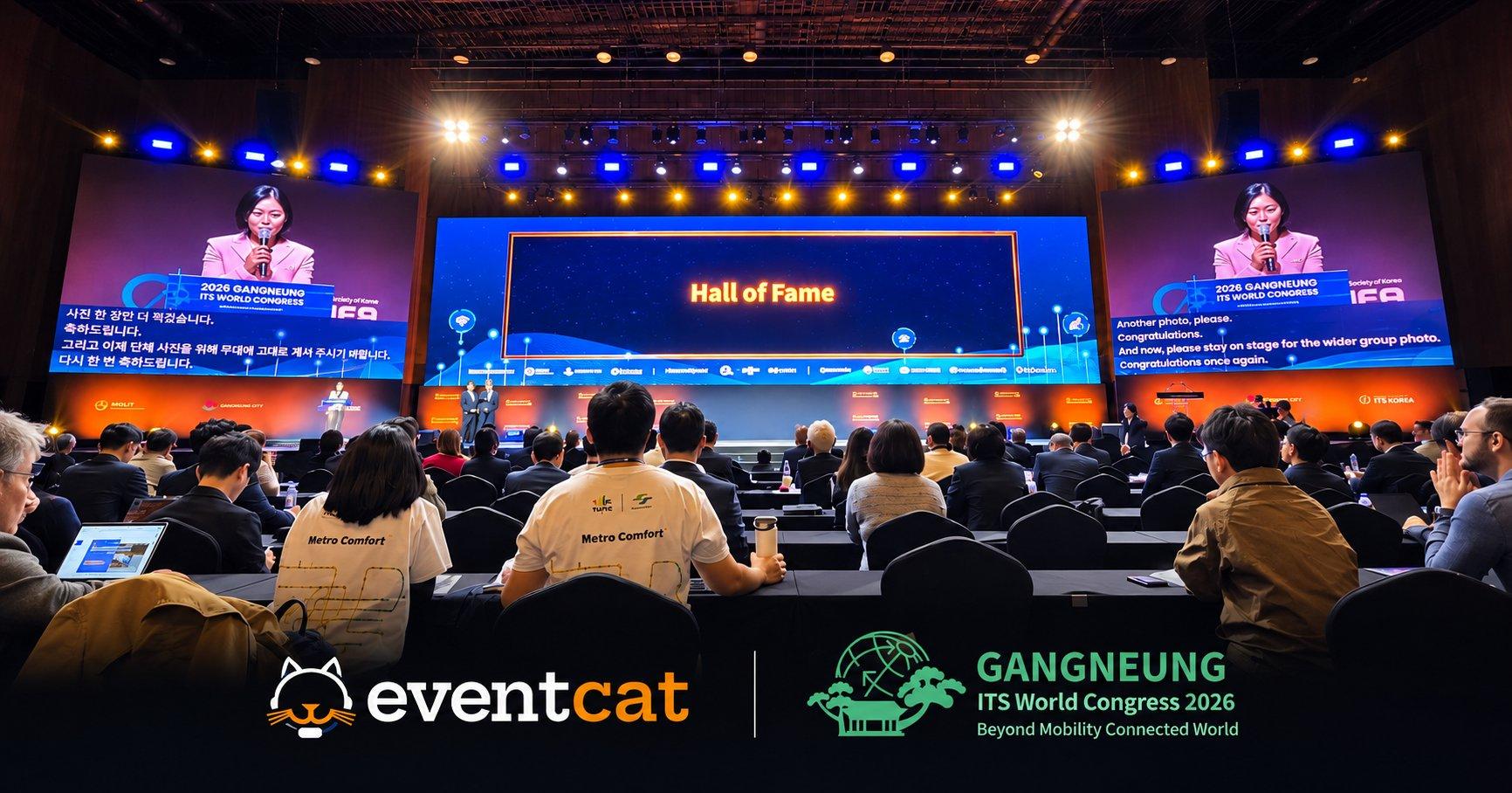
Imagine attending a technology conference in Seoul. A Korean executive delivers a keynote presentation, followed by an English-speaking expert. Later, both speakers participate in a discussion with international attendees. For an audience that speaks different languages, following the conversation can quickly become difficult without interpretation.
Several aspects of the Korean language make preparation particularly important.
Different sentence structures: Korean and English organize information differently. During live interpretation, this can affect how translated sentences are delivered while a speaker is still talking.
Honorifics and professional titles: Korean speakers frequently use honorific expressions and professional titles. Interpreting these accurately requires understanding the relationship between speakers and the context of the discussion.
Technical terminology and proper nouns: Conferences covering AI, biotechnology, finance, and international business often include specialized terminology, company names, and abbreviations.
Rapid speaker changes: Panel discussions frequently alternate between Korean, English, and other languages, making it important to manage the source languages and translation settings correctly.
This is where real-time AI interpretation can support multilingual communication. With EventCAT Conference, organizers can provide translated subtitles in real time and allow attendees to access them through their personal devices. For supported conference configurations, AI-generated interpretation audio is also available, giving participants additional ways to follow presentations.
EventCAT in Action: Korean Interpretation at Major International Events
South Korea has been an important market for EventCAT, with its technology used at international conferences, technology exhibitions, academic forums, and film festivals. Here are five examples of how EventCAT has supported multilingual communication at major events in Korea.
World Knowledge Forum 2026 — Seoul
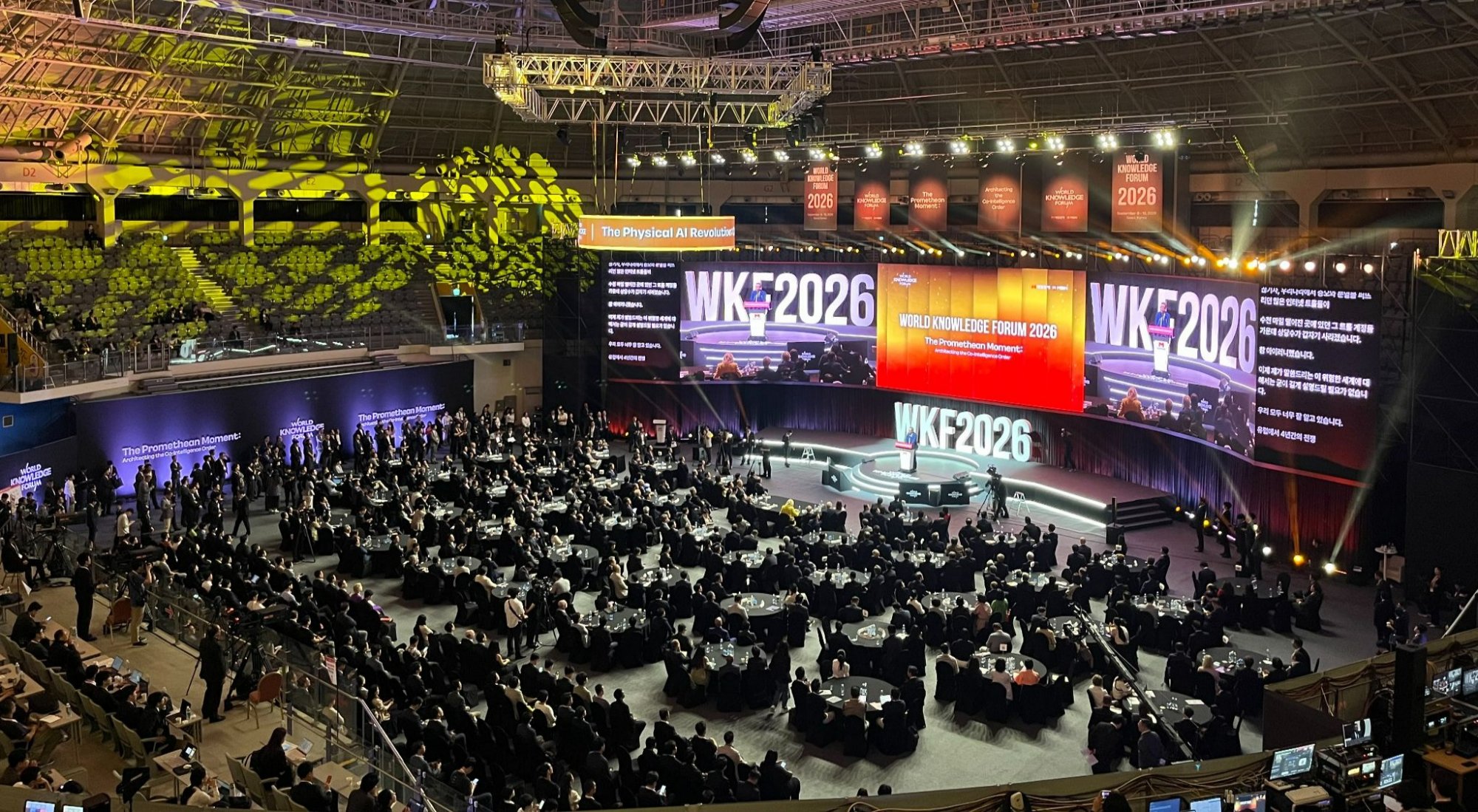
The 27th World Knowledge Forum took place from September 8–10, 2026, at Jangchung Arena and The Shilla Seoul. Bringing together international leaders, researchers, and industry experts, the forum featured discussions on technology, economics, global affairs, and artificial intelligence.
EventCAT provided real-time translated captions in eight languages and AI voice interpretation in four languages: Korean, English, Chinese, and Japanese. Attendees could access interpretation through QR codes and choose between reading subtitles and listening through their own earphones.
Read the World Knowledge Forum case study.
GEEF 2026 — Yonsei University, Seoul
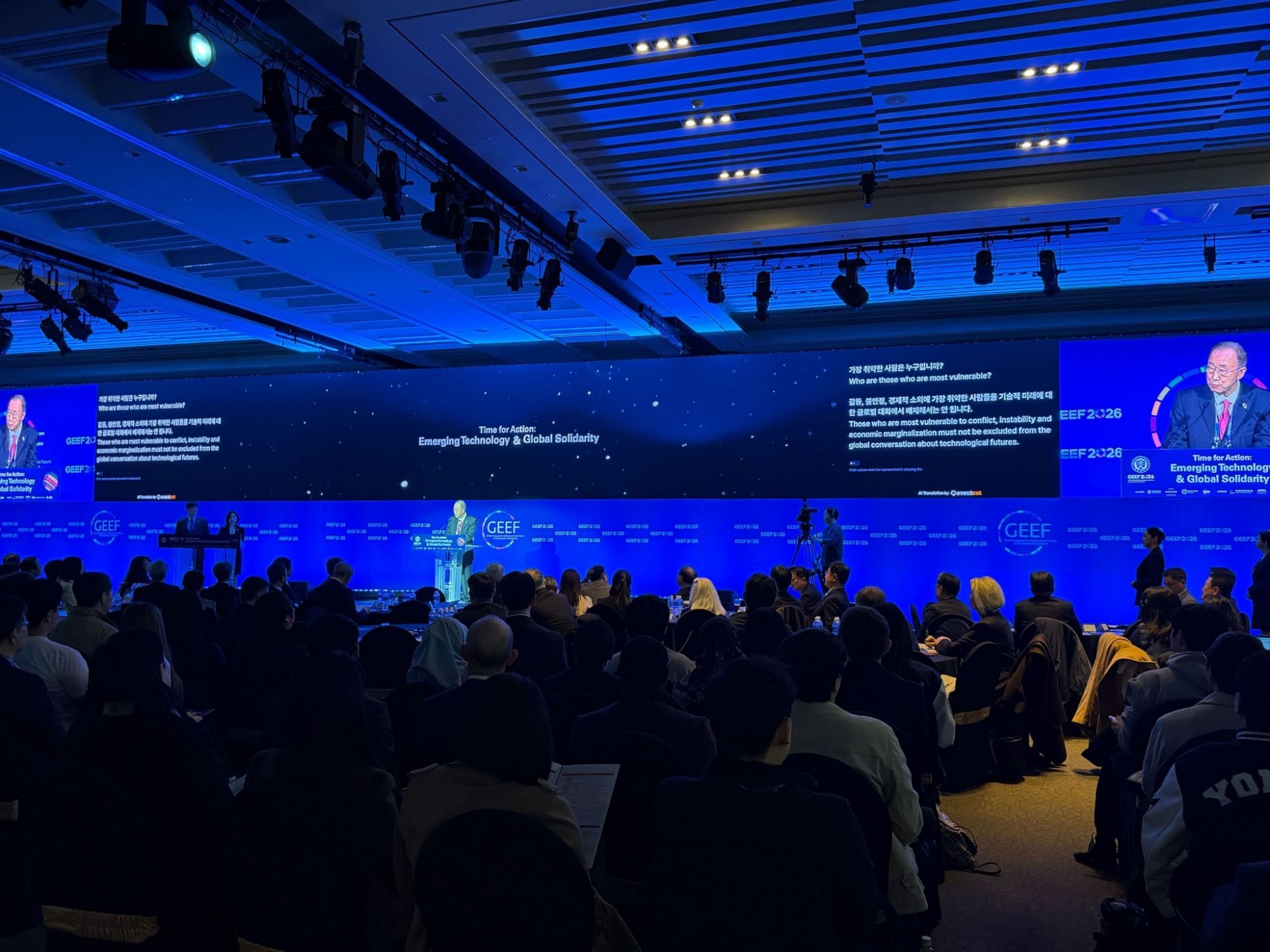
The Global Engagement & Empowerment Forum (GEEF 2026), held March 12–13 at Yonsei University, brought together international leaders to discuss emerging technology and global solidarity. EventCAT supported multilingual communication through real-time subtitles and AI interpretation audio.
EventCAT prepared approximately 300 interpretation receivers for attendees, and participants could also access translations through their own mobile devices. The service included speaker diarization for multi-speaker discussions and advance preparation using presentation materials to better handle specialized terminology.
Explore the GEEF 2026 case study.
COMEUP 2025 — COEX, Seoul
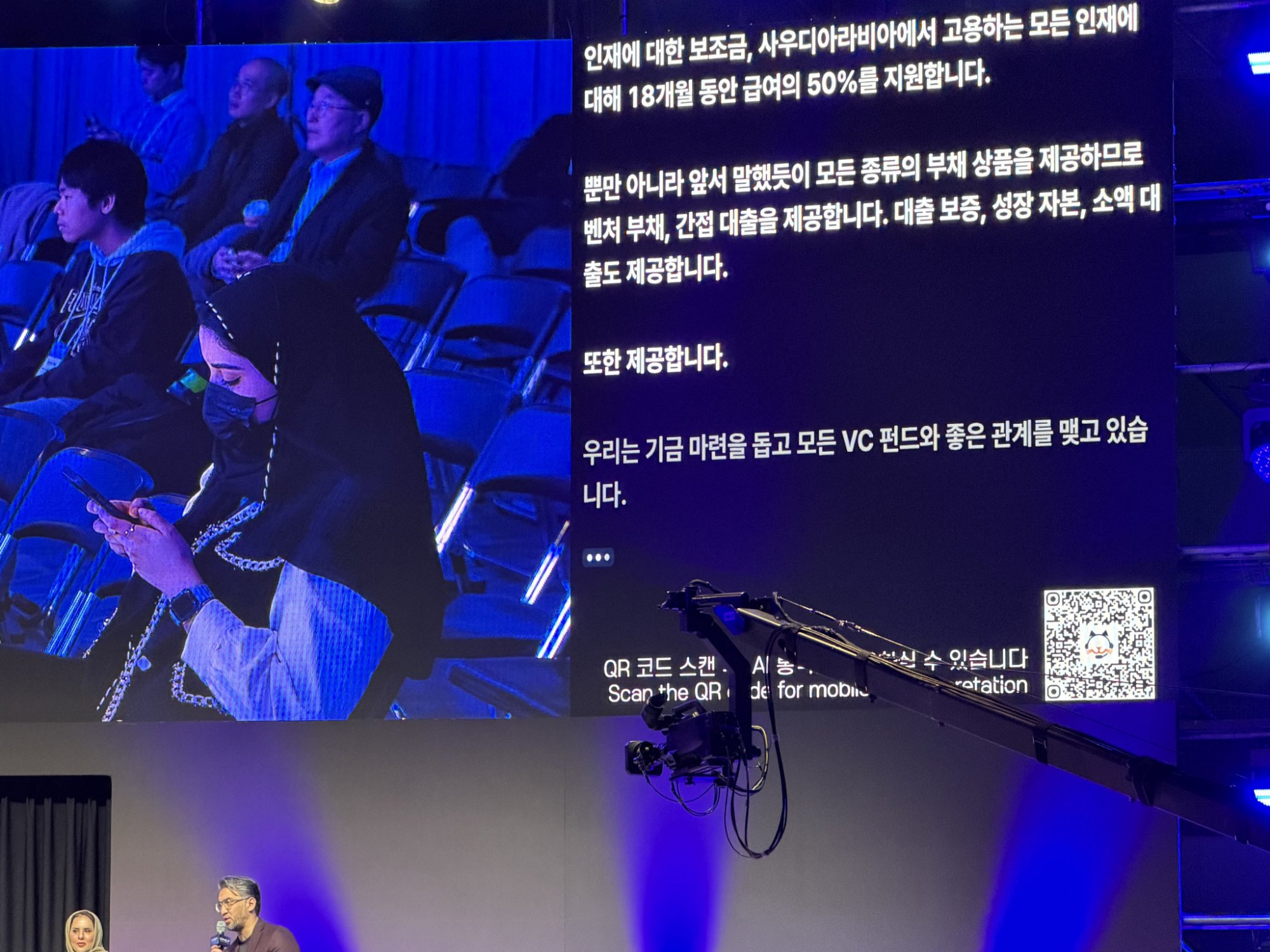
COMEUP 2025 brought together international startups, investors, and industry leaders for three days of innovation and networking. The event featured five stages operating simultaneously, with presentations, panel discussions, and Q&A sessions taking place throughout the program.
EventCAT provided real-time AI interpretation and multilingual captions across the stages. Participants accessed translations using QR codes, while selected sessions also featured live captions for online audiences. The event demonstrated how AI interpretation can support multilingual communication across several stages without traditional interpreter booths.
Read how EventCAT supported COMEUP 2025.
World Food Tech Forum 2025 — Seoul
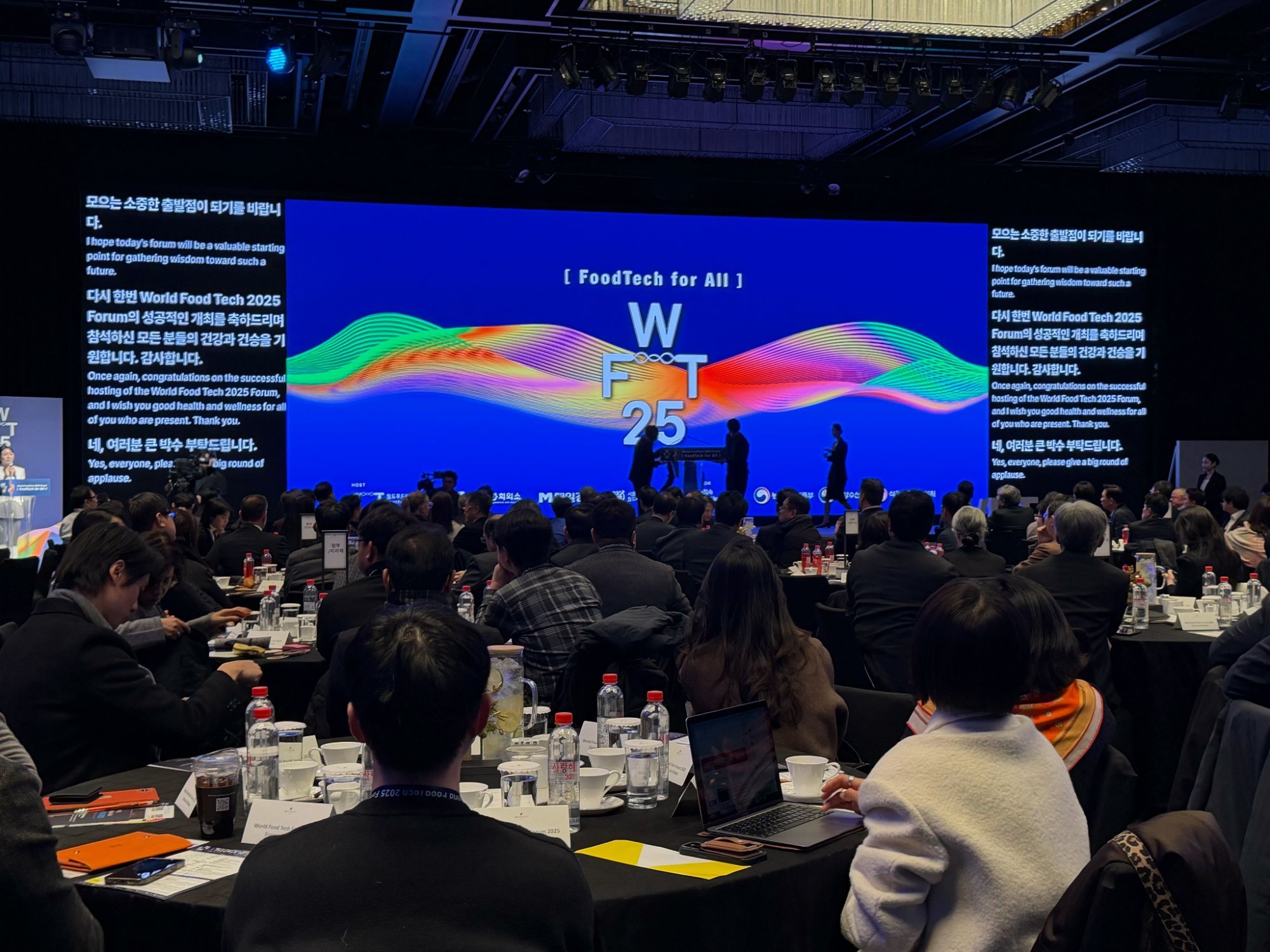
At the World Food Tech Forum 2025, Korean and international speakers discussed developments in food technology and innovation. EventCAT initially supported Korean–English interpretation.
When organizers unexpectedly requested German interpretation, the additional language was configured in under one minute during a short break. The event demonstrated the importance of flexibility when international speakers and language requirements change.
Discover the World Food Tech Forum case study.
Busan International AI Film Festival 2024 — Busan
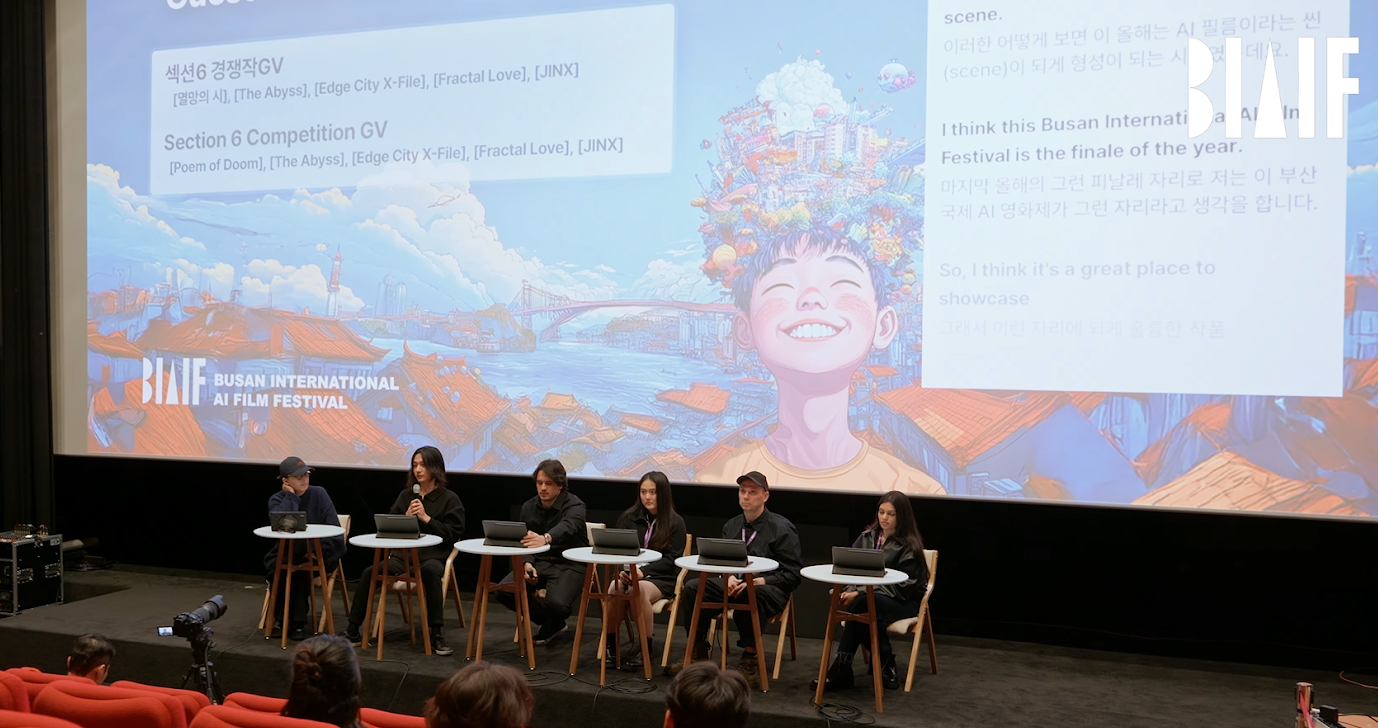
The inaugural Busan International AI Film Festival brought together more than 2,700 attendees, including filmmakers, international festival representatives, and technology professionals. EventCAT supported multilingual communication during ceremonies, discussions, and director-audience Q&A sessions.
With conversations involving Korean, English, Japanese, and Chinese, audiences could follow translated subtitles on venue screens and personal devices.
Explore EventCAT at the Busan International AI Film Festival.
Together, these examples illustrate how real-time Korean interpretation can support very different event environments, from international policy discussions to startup conferences and cultural festivals.
How to Prepare Korean Interpretation for Your Next International Event
If you're organizing an event involving Korean speakers and international attendees, planning your interpretation setup in advance can help make the experience smoother. Here is a practical checklist to get started.
Korean Interpretation Checklist for Event Organizers
Identify the speaking languages. Will presenters speak Korean, English, or switch between multiple languages?
Confirm your audience's preferred languages. Determine which subtitle and interpretation languages participants will need.
Prepare presentation materials in advance. Share agendas, slides, speaker names, and key terminology to support translation preparation.
Create a customized glossary. Include Korean company names, technical expressions, product names, and industry-specific terminology.
Check your audio equipment. Use clear microphone audio and confirm that the interpretation system receives the correct audio feed.
Choose how participants will access translations. Consider venue screens, QR codes, smartphones, or supported AI audio interpretation options.
Test the system before the event. Run a rehearsal with Korean and other speaking languages to check audio input, subtitles, and language settings.
Plan for multilingual Q&A sessions. Ensure moderators and speakers know how language switching will be handled.
With EventCAT Conference, organizers can configure speaking and target languages, prepare glossaries, and provide participants with access to real-time multilingual subtitles. Whether you're hosting a technology summit in Seoul, an international university event, or a Korean business conference with overseas partners, preparing the interpretation experience helps audiences stay engaged with the content.
Make Your Next Korean-Language Event Accessible to Global Audiences
Language differences shouldn't determine who can participate in an international event. From large conferences to academic forums and cultural gatherings, EventCAT helps organizers make Korean-language presentations and discussions more accessible through real-time AI interpretation.
Planning an event with Korean and international speakers?
Explore EventCAT Conference or contact our team to learn more about multilingual interpretation options for your event.