
Live Subtitles for Film Festival Q&As: Your Film Has Them. Your Q&A Should Too.
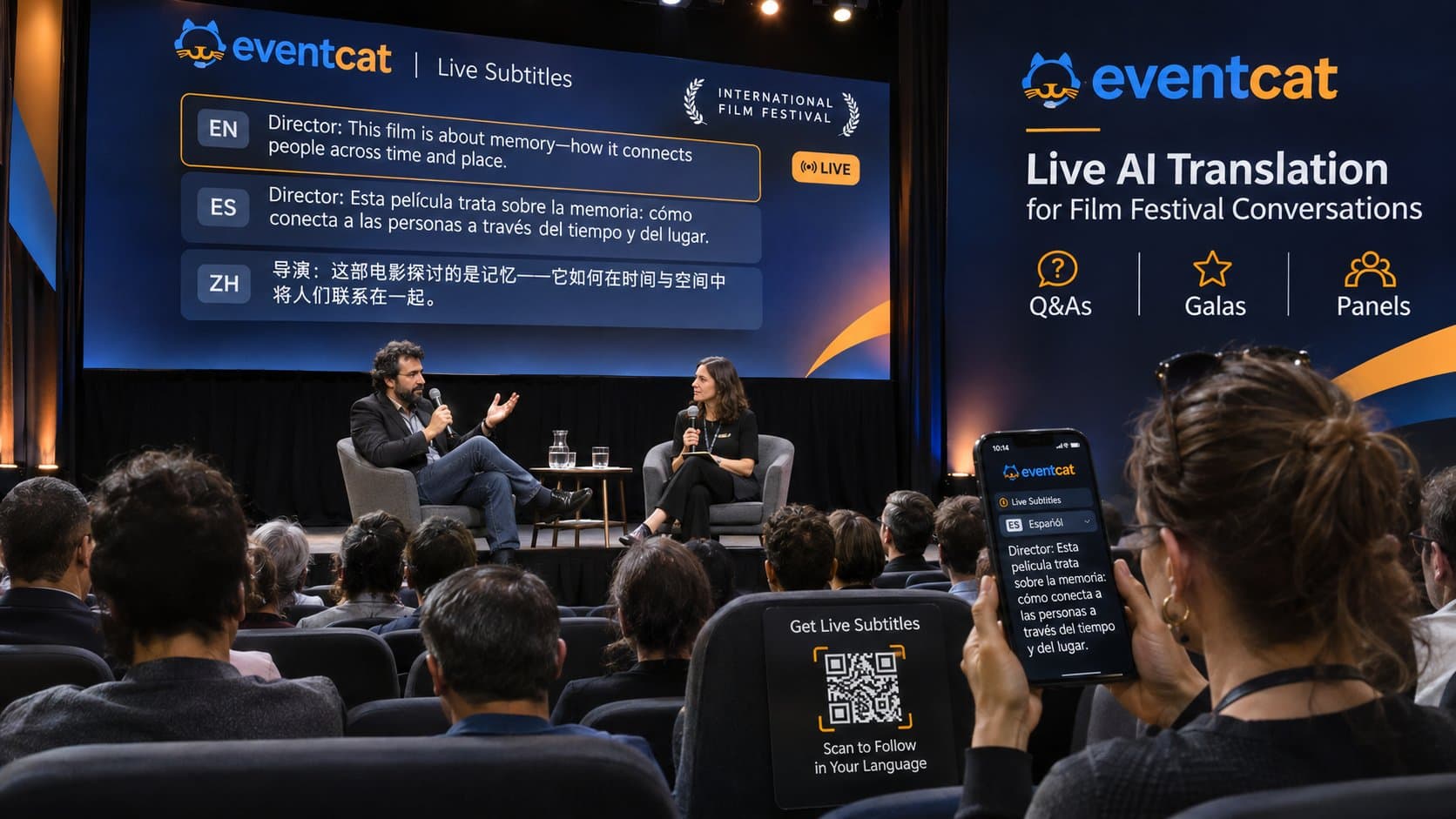
Film festivals can now subtitle director Q&As, galas, and panels live with AI. Speech is translated as it is spoken and lands on the venue screen or on every guest’s phone via a QR code. No booths. No headsets. No one left out.
Picture it. The credits roll on a Korean film you loved, English subtitles and all. The director walks on stage, the room leans in, and the Q&A kicks off in Korean. The film spoke your language. The conversation doesn’t. That is the gap we built EventCAT to close.
Which festival sessions need live subtitles?
Every moment that happens live: director Q&As, opening galas, award speeches, masterclasses, and the film market meetings where deals begin. Film subtitles get weeks of prep. These moments get one shot, in real time.
Film subtitles | AI live subtitles | |
Content | Prerecorded dialogue | Spontaneous speech |
Prepared | In advance, edited | During the event, short delay |
Shown on | Cinema screen | Venue screen, phone (QR code), livestream |
Quick distinction: live subtitles translate speech into another language, while closed captions show same-language text for Deaf and hard-of-hearing viewers. The most welcoming festivals offer both.
How to set up live subtitles for a Q&A in 5 steps
Map your languages. Who speaks what, who reads what, and who might switch mid-answer.
Pick your screens. A big screen for galas, QR codes for guests’ own phones.
Feed it the names. Upload film titles, cast names, and slides ahead of time, and the subtitles get sharper.
One audio feed per room. Each parallel venue or livestream gets its own input.
Rehearse, then relax. Run a sound check with real speech, and bring a technician for the big nights.
How much does live translation for a film festival cost?
Good news for festival budgets: you pay for hours of speech, not for the size of your audience. Four factors shape most quotes:
Total usage time: Add up the minutes of Q&As, ceremonies, and panels that need subtitles.
Rooms running at once: Parallel sessions in separate venues each need their own setup.
Languages: Confirm both the spoken languages and the subtitle languages.
Support level: Self-service, remote monitoring, or a technician on site.
Compared with booking interpreter teams and booths for every session, that usually means a much smaller line in the budget. Running a university or nonprofit program?
Ask about education pricing.
Where has EventCAT been used at film festivals?
Festivals feel like home turf. Long before EventCAT took the stage, XL8 spent seven-plus years subtitling films and series for audiences around the world, and that engine now runs every live session.
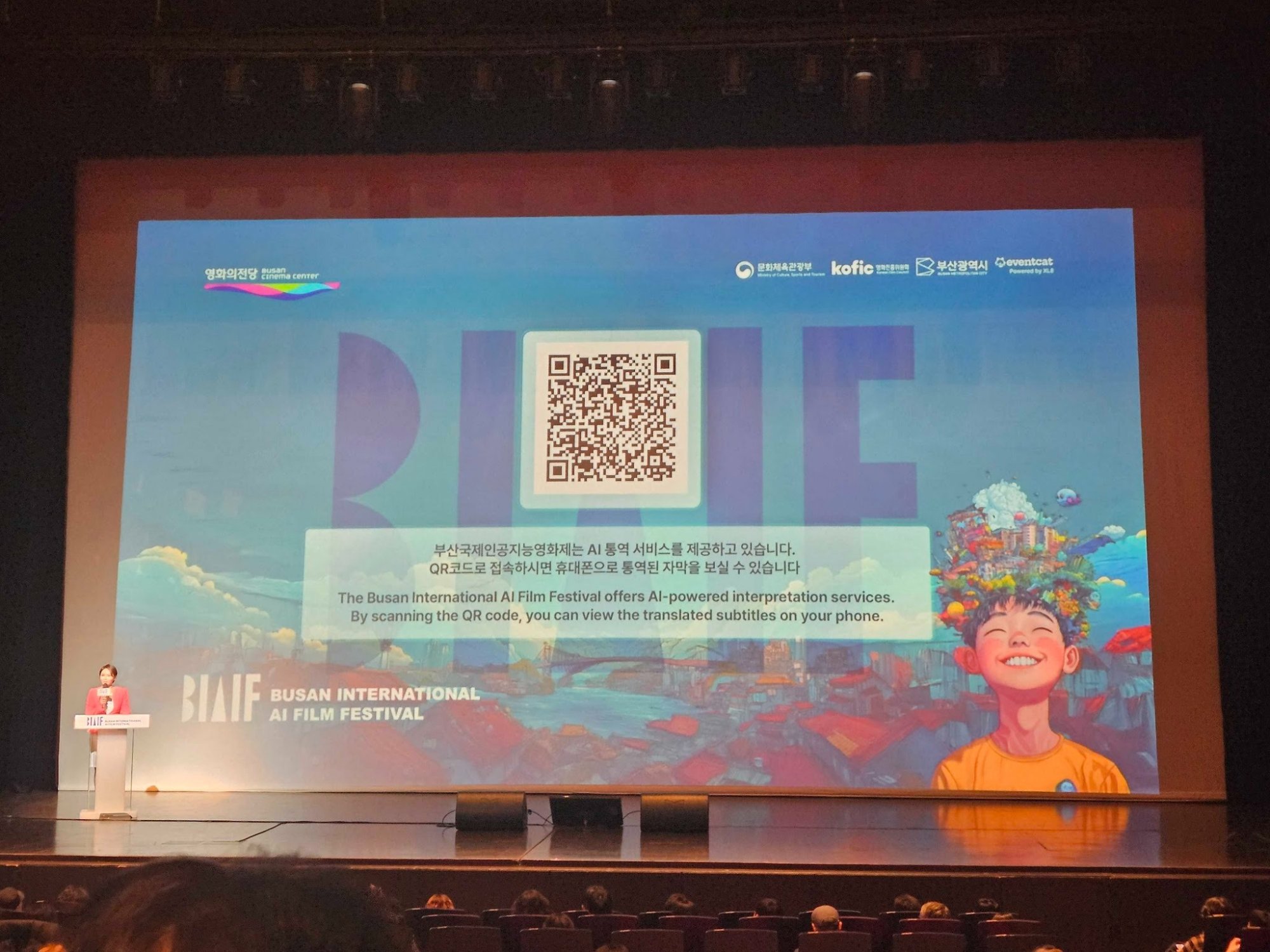
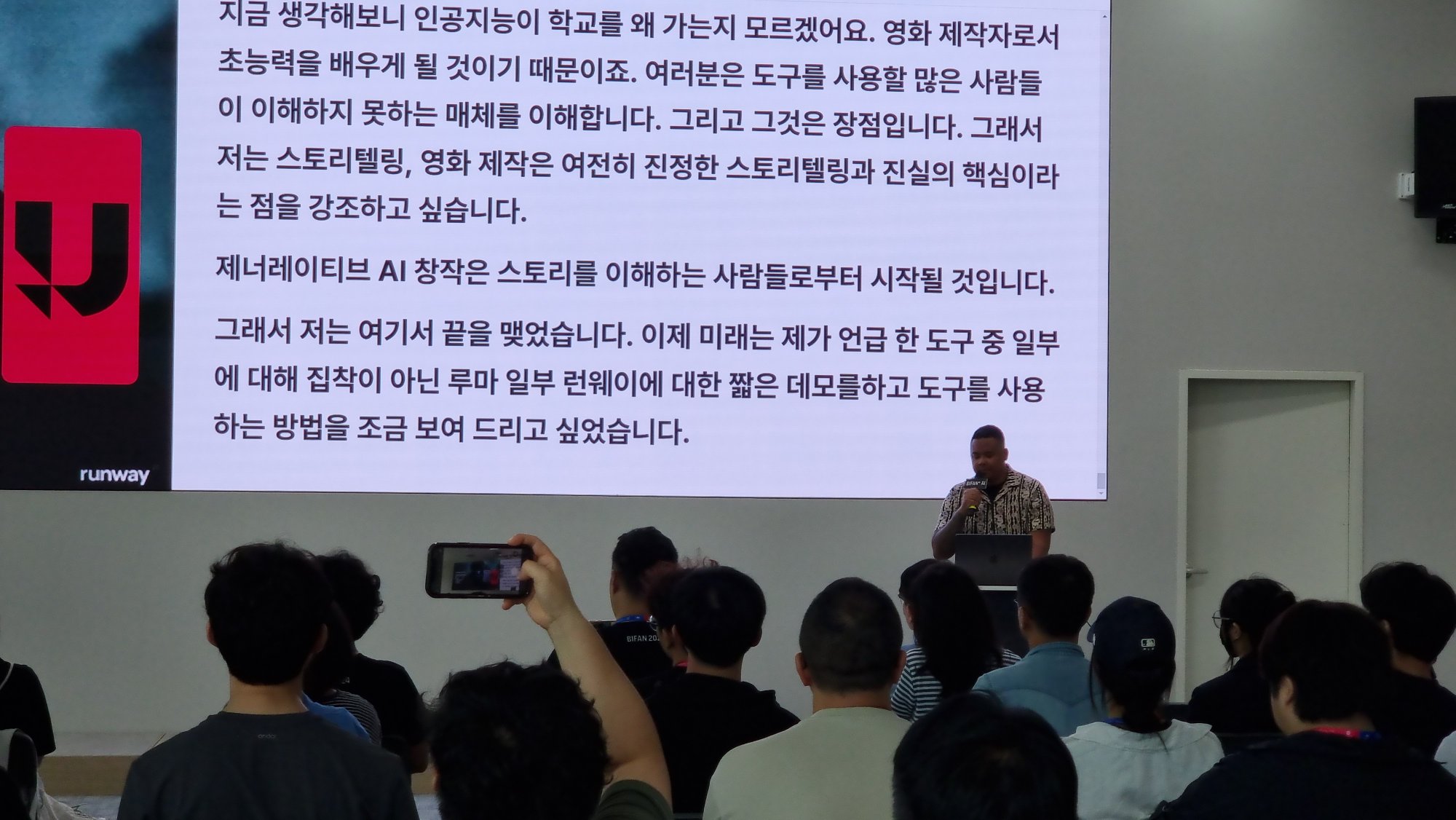
At the Busan International AI Film Festival (BIAIF), EventCAT carried the opening and closing ceremonies and filmmaker Q&As in Korean, English, Japanese, and Chinese. At the Bucheon International Fantastic Film Festival (BIFAN), it kept Dave Clark’s AI Film Making Workshop flowing in Korean and English across screens, livestream, and personal devices.
FAQ
Can AI translate a director’s Q&A in real time? Yes, within seconds. Clear audio, the right language pair, and a prepped list of names make it even better.
Do guests need translation headsets? Nope. One QR scan, and subtitles show up on their own phone, in their language.
Is AI interpretation enough for film market negotiations? It is a great fit for pitches and workshops. For contracts and sensitive negotiations, bring in qualified human interpreters.
Is it only for large festivals? Not at all. Small festivals, university film programs, and indie screenings use it to welcome international guests without a big interpretation budget.
The credits are just the beginning. Let the conversation travel as far as your film does. EventCAT, XL8’s AI real-time interpretation and live subtitle solution, is ready for your next Q&A.
Related Post
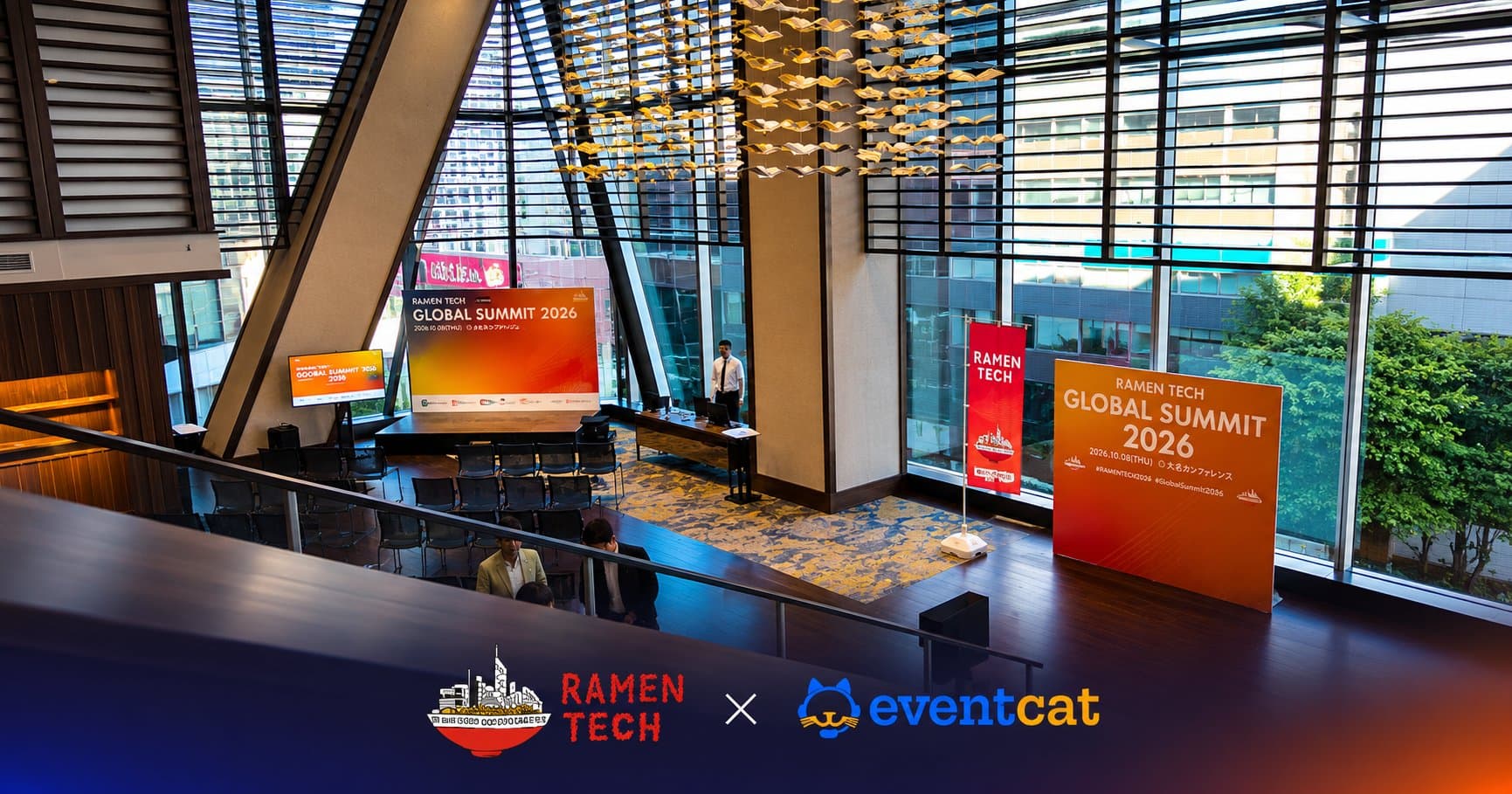
EventCAT Lands in Fukuoka: Powering Multilingual Stages at RAMEN TECH 2026
May
7 Years of XL8: From Translating Stories to Connecting the World with EventCAT
Rosa Lee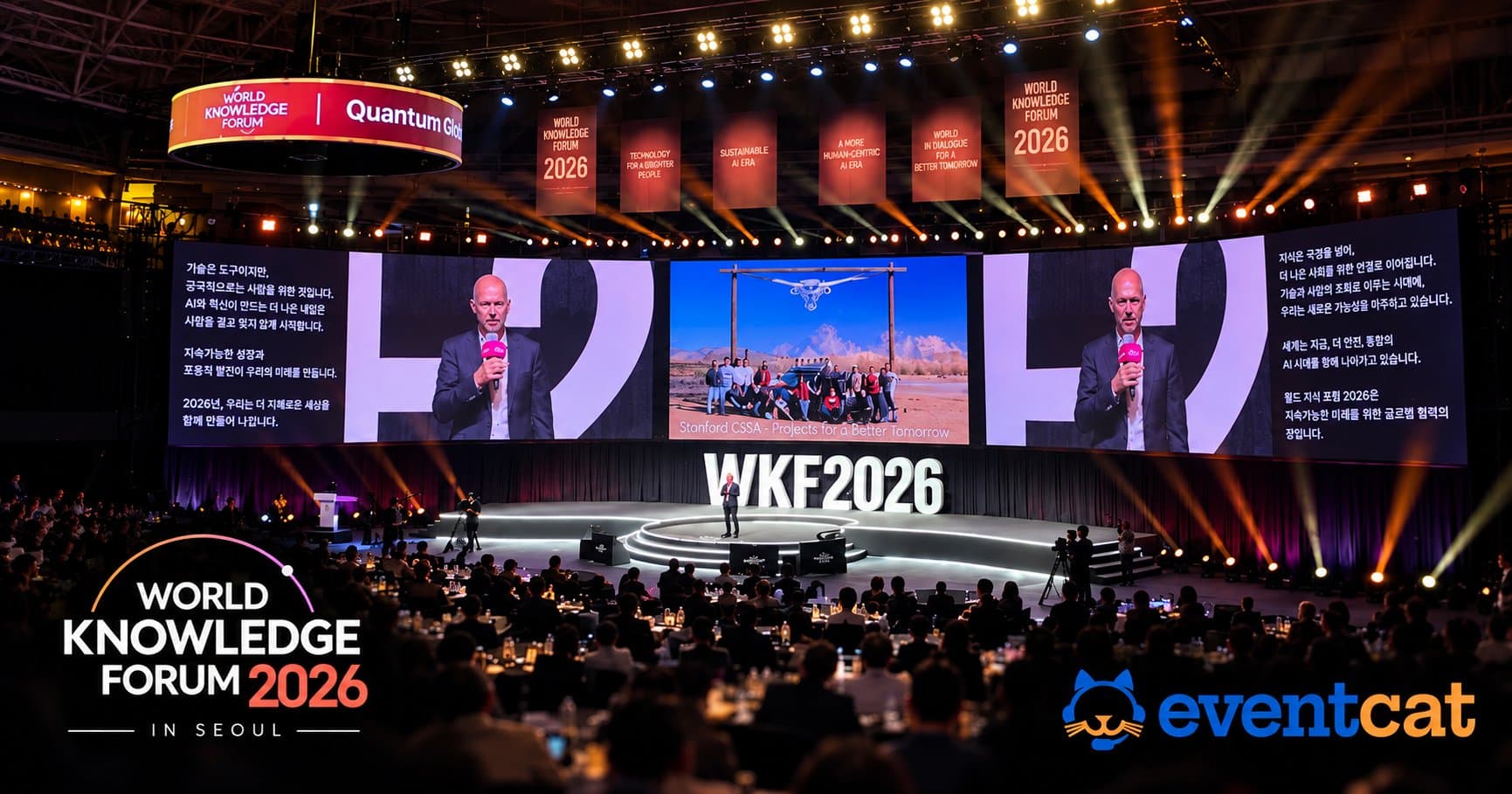
From Sebastian Thrun to David Cameron, Access Global Insights From the World Knowledge Forum Without Language Barriers
Declan