
The Evolution of English as a Global Language, and How EventCAT Supports It
Have you ever wondered how English became one of the most spoken languages in the world? From its humble beginnings as a Germanic tongue spoken by a small tribe to its current role as a global lingua franca, the history of the English language is as dynamic as the cultures and people who have shaped it. Whether you’re learning English, teaching it, or simply fascinated by language, understanding its journey can give you a deeper appreciation for its rich history.
Let’s take a trip through time and explore how English evolved from its ancient roots into the modern, global language we use today.
The History of the English Language: A Brief Overview
The story of English begins long before Shakespeare and the rise of Hollywood. It starts with the Anglo-Saxon period (circa 5th to 11th centuries), a time when the English we know today barely existed. But even then, English wasn’t alone. It was a member of the Germanic family of languages , alongside languages like German, Dutch, and the Scandinavian tongues.

Source: Eton Institute
Old English (450-1150 AD)
The foundations of the English language were laid by the Anglo-Saxons , tribes from what is now Germany, Denmark, and the Netherlands. When they invaded Britain, they brought with them their own language. This was the start of what we call Old English. Old English, however, would be largely unrecognizable to most modern English speakers. Its roots were deeply Germanic, with a strong influence from Latin and Old Norse.
For example, “father” was spelled “fæder” and “mother” as “modor,” sounding quite different from today’s pronunciation.
Middle English (1150-1500 AD)
The next major shift came with the Norman Conquest of 1066. When the Normans (originally Scandinavian but now settled in northern France) took control of England, their language, Old French, influenced English dramatically. The ruling class spoke French, while the common folk continued to speak English. This led to a fusion of the two languages, and many Latin-derived words entered the English lexicon.
This period is known as Middle English , and it saw the emergence of many words that are still used today. Think of words related to law and governance like “court,” “judge,” and “council.” It was also the time of famous works like Geoffrey Chaucer’s The Canterbury Tales , written in Middle English.
Early Modern English (1500-1700 AD)
The Renaissance, with its explosion of knowledge, invention, and exploration, had a profound impact on English. During this period, English grammar began to stabilize, and pronunciation started to shift. More importantly, print culture emerged with the printing press, invented by Johannes Gutenberg, which made books, dictionaries, and the standardization of spelling possible.
Shakespeare and the King James Bible were written in Early Modern English , which is quite similar to the language we use today. You’ll notice that while it’s close to contemporary English, there are still differences in vocabulary and word order.
Modern English (1700 AD-Present)
The rise of the British Empire, the expansion of the United States, and the spread of media and technology helped English become a global language. Over time, regional dialects merged, spelling became standardized, and the influence of other languages (especially Latin and Greek) continued to enrich the English lexicon.
Modern English also absorbed words from around the world, reflecting its colonial history and global reach. Words like “yoga” (from Sanskrit), “kindergarten” (from German), and “pajamas” (from Hindi) are now part of everyday English.
How EventCAT Supports Global Communication Through English
In today’s interconnected world, language remains the key to understanding, collaboration, and success. As English has evolved into a global lingua franca, its role in international events and communication has never been more significant. However, the need for multilingual accessibility is ever-present.
That’s where EventCAT comes in.
EventCAT is an AI-powered real-time translation solution designed to break down language barriers at events. Whether it’s a hybrid conference, a global forum, or a corporate seminar, EventCAT enables organizers to provide real-time subtitles in multiple languages, including English, ensuring that all participants, regardless of their native tongue, can engage fully.
By leveraging advanced AI translation technology, EventCAT simplifies the process of creating accessible, multilingual environments for all attendees. Whether your event spans different regions or hosts a mix of local and international participants, EventCAT ensures that English, while central, doesn’t limit communication.
Key Benefits of EventCAT for Real-Time Interpretation:
**Real-time interpretation in multiple languages
** Participants can follow presentations instantly in their preferred language. Example: A keynote delivered in English in New York is simultaneously accessible in Spanish, French, or Mandarin via EventCAT.**Inclusive engagement powered by AI
** Every attendee can participate actively, no matter the language spoken. Example: Global panel discussions become fully interactive, allowing all voices to be heard.**Simplified event management
** EventCAT’s AI real-time interpretation reduces the need for multiple human interpreters and complex logistics. Example: Organizers of a 500-person hybrid conference save resources while maintaining translation accuracy.**Flexible for any event format
** Works seamlessly for hybrid, in-person, or virtual events. Example: Attendees in a live seminar and participants streaming online experience the same high-quality interpretation.**Scalable AI solution
** EventCAT adapts to events of any size. Example: A multinational summit with participants from 20 countries can deliver real-time interpretation in over 50 languages.Enhanced comprehension for technical content
AI-powered real-time interpretation ensures clarity for specialized topics. Example: Medical, engineering, or legal terminology is translated accurately for all attendees.
English has become a world language, but global communication cannot happen with one tongue. English connects the world, but true understanding comes through accessibility. EventCAT contributes to this by making possible real-time multilingual interpretation; no matter the language, every participant is able to follow and engage in the discussion.
Sources
Encyclopaedia Britannica — “English language”. britannica.com
What’s Up! — “The History of the English Language: 1,500 Years of Evolution”. whatsup.es
Wikipedia — “Old English” en.wikipedia.org
Related Post
Why Real-Time Japanese Interpretation Matters for Global Events
Gianella Furino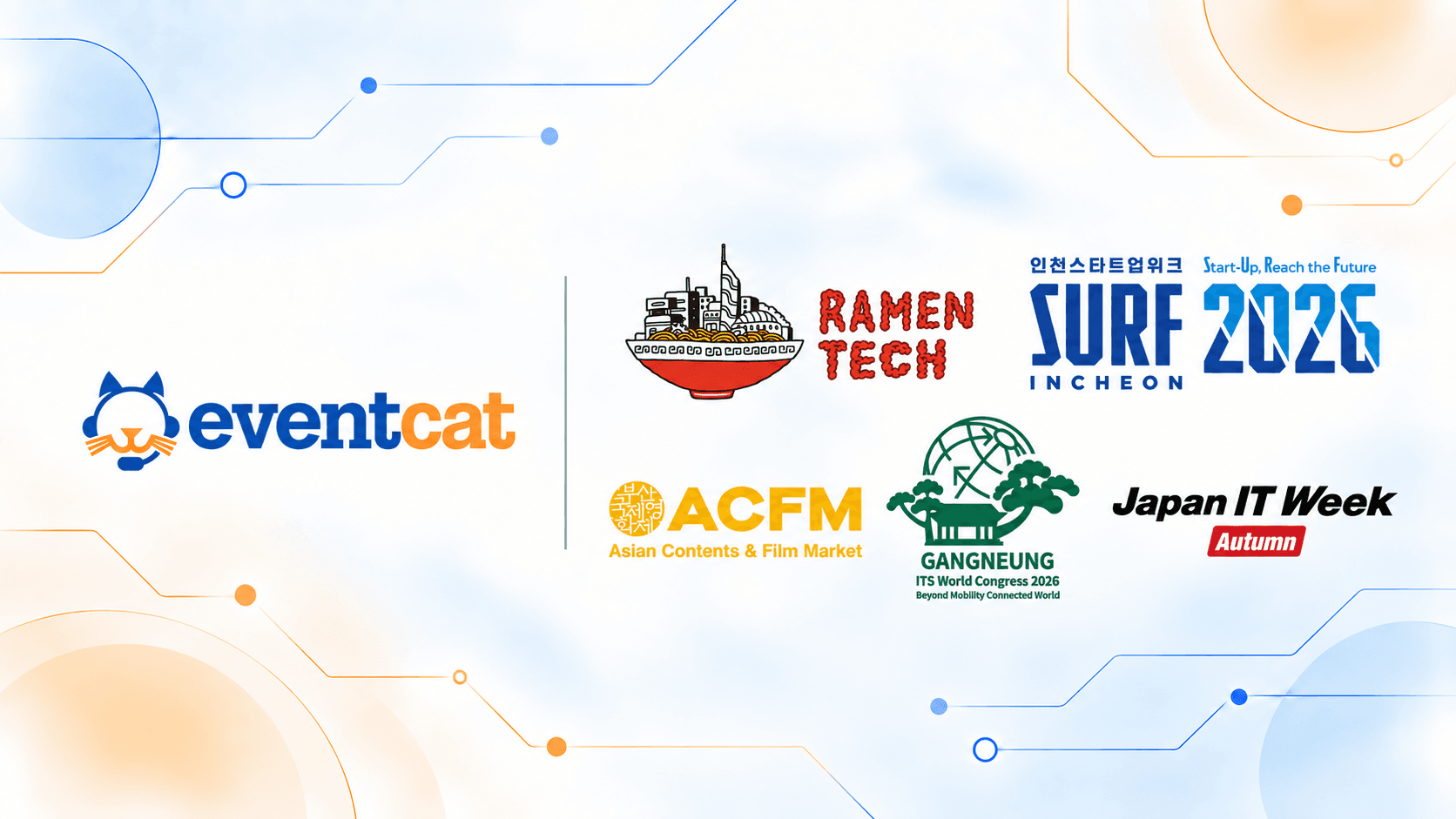
EventCAT on the Road: Real-Time AI Translation Across Japan and Korea This October
Gianella Furino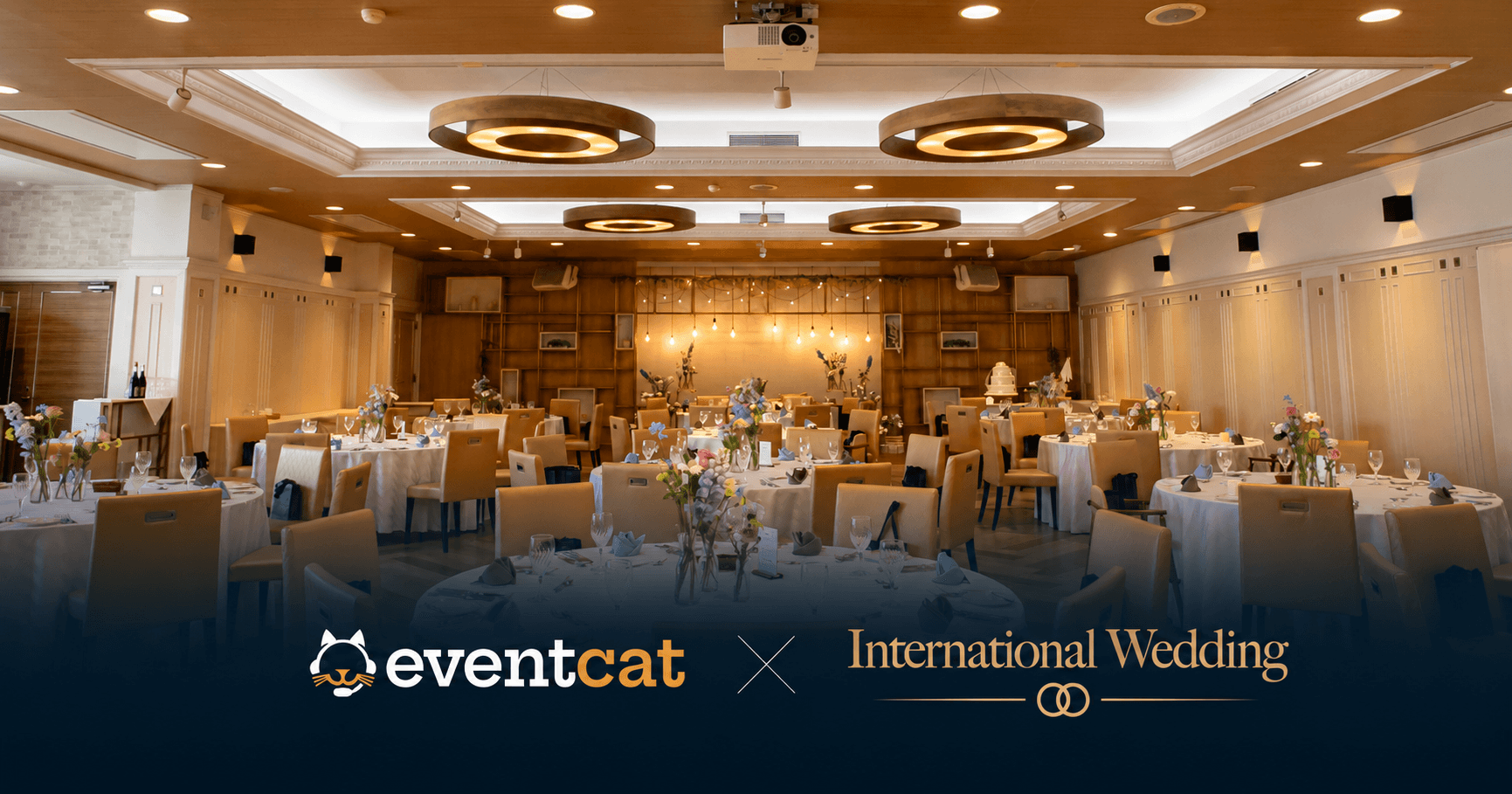
AI Real-Time Simultaneous Translation Subtitles Applied to an International Wedding — A Case of a Korean-Japanese Couple’s Wedding
Declan