Live Captions vs. Simultaneous Interpretation: Which Wins?
Imagine attending an international conference where the speaker presents in a language you don't understand. Would you rather read the translation on a screen or listen to it through your headphones?
Both options can make multilingual events more accessible, but they offer different experiences.
As AI-powered language technology becomes part of conferences, webinars, and business meetings, understanding the difference between live captions and simultaneous interpretation can help organizers choose the right solution.
What Are Live Captions?
Live captions convert spoken words into text as a speaker talks, allowing audiences to follow the conversation on a screen or personal device.
However, there's an important distinction:
Live captions display speech as text, usually in the original language.
Live translated subtitles display the spoken content in another language.
For international audiences, translated subtitles can make presentations, panel discussions, and virtual meetings easier to follow without requiring additional audio equipment.
When Do Live Captions Work Best?
Live captions and translated subtitles are especially useful for:
Conferences with multilingual audiences.
Webinars and online presentations.
Events where participants prefer reading.
Noisy environments where audio is difficult to hear.
Supporting accessibility for deaf and hard-of-hearing attendees.
They also allow participants to follow terminology, names, and figures visually, which can be valuable during technical presentations.
What Is Simultaneous Interpretation?
Simultaneous interpretation allows audiences to listen to a speaker's message in another language while the original presentation continues.
Traditionally, professional interpreters provide this service through dedicated audio channels and headsets.
Today, AI interpretation solutions can also convert speech into translated audio using Text-to-Speech (TTS) technology, making multilingual communication possible with less specialized infrastructure.
Text-to-Speech converts translated text into AI-generated spoken audio, allowing attendees to listen to the interpretation in their preferred language.
When Is Simultaneous Interpretation Better?
Audio interpretation, including AI-powered Text-to-Speech, is particularly useful when:
Attendees want to focus on the speaker rather than a screen.
Presentations include complex visuals or demonstrations.
Participants move between conference sessions.
International audiences prefer listening in their native language.
Unlike reading subtitles, listening to interpretation allows audiences to keep their eyes on the presentation.
However, both human and AI interpretation can introduce delays, and accuracy depends on factors such as audio quality, terminology, and speaking style.
Live Captions vs. Simultaneous Interpretation: Key Differences
Both approaches support multilingual communication, but the best choice depends on the audience and event format.
Feature | Live Translated Subtitles | Simultaneous Interpretation |
Format | Written text | Spoken audio (including AI-generated TTS) |
Audience experience | Read the translation | Listen to the translation |
Equipment | Screen or personal device | Headphones or speakers |
Best for | Presentations, webinars, accessibility | Conferences, discussions, immersive listening |
Visual attention | Requires reading | Allows focus on the speaker |
Multilingual support | Depends on the platform | Depends on the provider |
Neither option is universally better.
The real question is how your audience prefers to experience the event.
Can You Combine Live Captions and AI Interpretation?
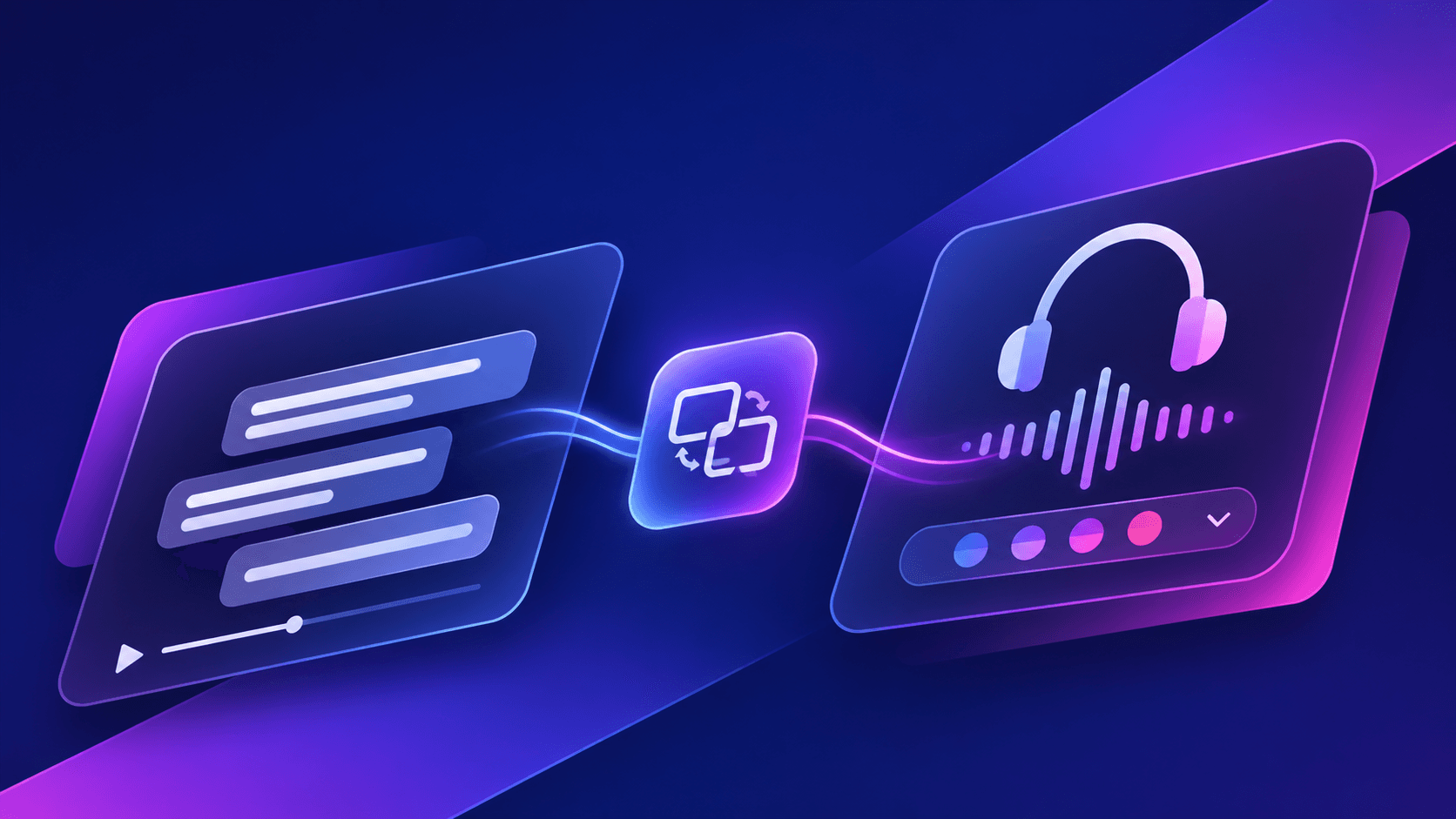
Yes. Modern AI translation platforms increasingly offer both formats, allowing participants to choose between reading and listening.
For example, EventCAT Conference provides real-time translated subtitles in more than 50 languages, along with AI-generated audio through its Text-to-Speech (TTS) feature.
Attendees can access translations through a QR code or link, select their preferred language, and follow the session from their own devices. Organizers can also use custom glossaries to improve the handling of technical vocabulary, brand names, and industry-specific terms.
This flexibility is particularly valuable for international conferences where some participants prefer subtitles while others benefit from listening to translated speech through TTS.
How to Choose the Right Solution for Your Event
Before selecting a live translation service, consider three questions.
1. Who Is Your Audience?
A multilingual audience may benefit from translated subtitles, audio interpretation, or both.
Accessibility preferences should also be considered from the beginning.
2. What Type of Event Are You Hosting?
For webinars and presentations, subtitles may provide sufficient support.
For conferences featuring panel discussions, demonstrations, or multiple speakers, offering Text-to-Speech alongside captions can create a more flexible experience.
3. How Important Are Accuracy and Technical Setup?
Look for a solution that supports your required languages, recognizes specialized terminology, and fits your event infrastructure.
Testing the system with real presentation materials and speakers before the event is equally important.
The Future Is About Giving Audiences a Choice
The debate isn't really about whether live captions are better than simultaneous interpretation.
It's about creating an experience where participants can engage with the content in the way that works best for them.
With AI-powered translation and Text-to-Speech technology, organizers no longer have to approach subtitles and audio interpretation as entirely separate services.
A truly multilingual event gives every attendee the freedom to understand, participate, and connect.
Make Every Language Part of the Conversation
Why make your audience choose between reading and listening?
From live translated subtitles to AI-powered Text-to-Speech, EventCAT helps international events connect audiences across languages, without complicated interpretation setups.
Give every attendee a better way to follow the conversation.
Looking for a More Natural Listening Experience?
EventCAT also offers Premium Text-to-Speech, delivering higher-quality, more natural-sounding AI voices.
Available in English, Korean, Chinese, and Japanese, Premium TTS allows attendees to choose between male and female voices directly from their personal devices.
Interested in Premium Text-to-Speech for your next event?