
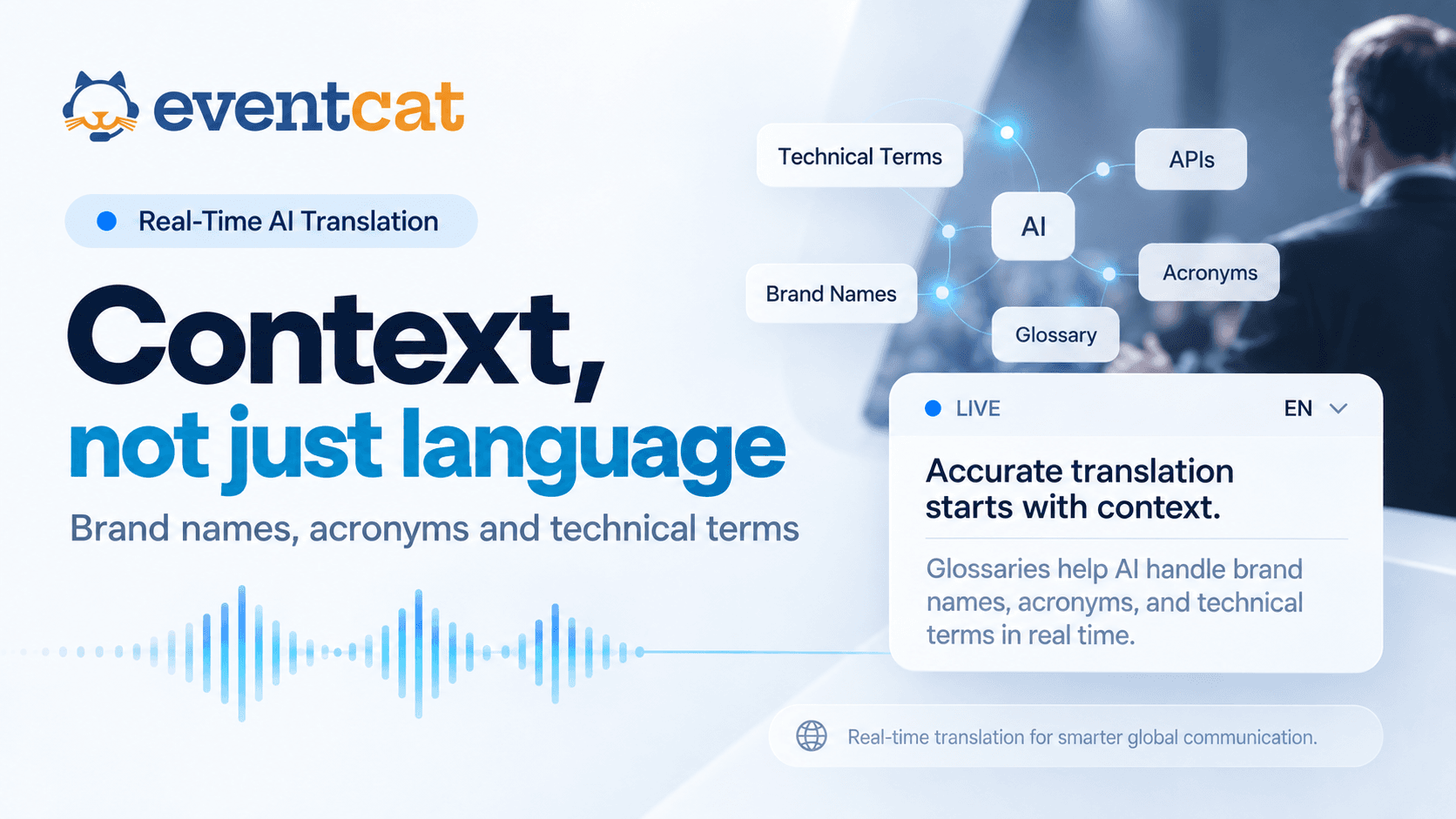
AI Translation Has a New Bottleneck. It Isn't the Model.
Why terminology management is becoming the next competitive advantage in enterprise AI translation.
There was a time when improving AI translation meant building a better model. Every new generation promised more fluent sentences, broader language coverage, and fewer grammatical mistakes, and the conversation naturally revolved around model size, benchmark scores, and translation accuracy. That conversation, however, is beginning to change.
Today, many organizations are discovering that their biggest translation problems no longer come from ordinary language. They come from the words that matter most to their business: a product name translated differently across sessions, a research project appearing under multiple names, a pharmaceutical compound interpreted as a common noun, or an investor presentation where "Series A" becomes a literal phrase instead of remaining a funding stage.
These are not failures of language but failures of context. The next competitive advantage in AI translation will not belong to the platform with the largest language model; it will belong to the platform that best understands organizational knowledge.
Translation Has Become a Knowledge Problem
Enterprise communication has changed dramatically over the past decade. Most international meetings are no longer general conversations; they are highly specialized discussions shaped by the vocabulary of a particular organization or industry. A medical congress speaks the language of clinical trials, while a semiconductor conference revolves around fabrication nodes, chip architectures, and process technologies. Startup summits move effortlessly between SAFE notes, Series A, CAC, LTV, and product-market fit, and university symposiums introduce research centers, grant programs, and project names unfamiliar to anyone outside that field.
Ironically, these are also the words that matter most. If AI misunderstands "good morning," almost nobody notices. If it mistranslates the name of a flagship product, a clinical protocol, or a government initiative, everyone notices. The quality of enterprise translation is therefore becoming less dependent on how well AI understands language and increasingly determined by how well it understands context.
Real-Time Translation Raises the Stakes
The importance of context becomes even more apparent in live communication. Document translation can be reviewed, edited, and corrected before publication, but real-time interpretation offers no such luxury. Once a mistranslated company name appears on the main screen of an international conference, or a technical term is rendered differently by two speakers during the same session, the inconsistency immediately becomes part of the audience's experience. Live translation leaves no time for AI to "figure it out." The necessary context has to exist before the first speaker begins.
Terminology Is No Longer a Linguistic Issue
Many organizations still think of glossaries as translation tools, but that view is becoming increasingly outdated. A glossary is better understood as a form of organizational knowledge—a structured record of how a company, institution, or industry communicates. Every organization already knows the correct names of its products, brands, projects, legal entities, preferred abbreviations, and technical terminology. The challenge is not creating that knowledge; it is making it available to AI before communication begins. This fundamentally changes the role of terminology management. Instead of asking AI to guess, organizations provide context—and in enterprise communication, context consistently outperforms prediction.
The Quiet Shift Happening Inside Enterprise AI
The most interesting innovation in enterprise AI translation is no longer happening only inside language models. It is increasingly happening around them, as organizations combine AI with structured knowledge such as terminology databases, presentation materials, speaker information, product catalogs, and internal documentation. Rather than expecting a model to infer everything during a live event, they are preparing the information that matters most before communication begins. The result is not simply better translation, but more consistent communication across speakers, sessions, and languages.
Where EventCAT Fits
This broader shift is reflected in the way EventCAT approaches multilingual communication. Rather than relying solely on larger language models, EventCAT is designed to combine AI with organizational context before live communication begins. Features such as Glossary and STT Revise Guide allow presentation materials, company names, technical vocabulary, speaker information, and event-specific terminology to become part of the translation workflow.
That preparation matters because multilingual events are rarely generic. Every conference, investor meeting, academic symposium, or corporate event has its own vocabulary, participants, and communication patterns. The more context AI understands before the first speaker takes the stage, the less it has to infer in real time—and the more consistent the communication becomes for everyone involved.
The Future of AI Translation Will Be Built Before the Event Starts
Language models will undoubtedly continue to improve, becoming faster, more fluent, and capable of supporting an even broader range of languages. That progress, however, is unlikely to be the factor that differentiates enterprise AI translation platforms over the next decade.
Enterprise communication is becoming increasingly specialized, with organizations communicating through products, research, regulations, brands, and domain expertise that exist only within their own ecosystems. In this environment, translation systems that understand organizational context will consistently outperform those that rely on language models alone. The competitive advantage is gradually shifting from language to knowledge, making preparation as important as the AI itself.
The implication is straightforward: the best translation no longer begins when someone starts speaking. It begins long before the microphone is turned on.
Final Thought
For years, the AI translation industry has focused on one central question: How can machines understand more languages? As enterprise communication becomes increasingly multilingual and specialized, a different question is emerging—one that may prove far more important.
Can AI understand your organization's language?
Ultimately, the future of enterprise AI translation will not be defined solely by how fluently AI translates words, but by how well it understands the context behind them. That distinction may become the difference between translation that is merely accurate and communication that organizations can genuinely trust.
Related Post
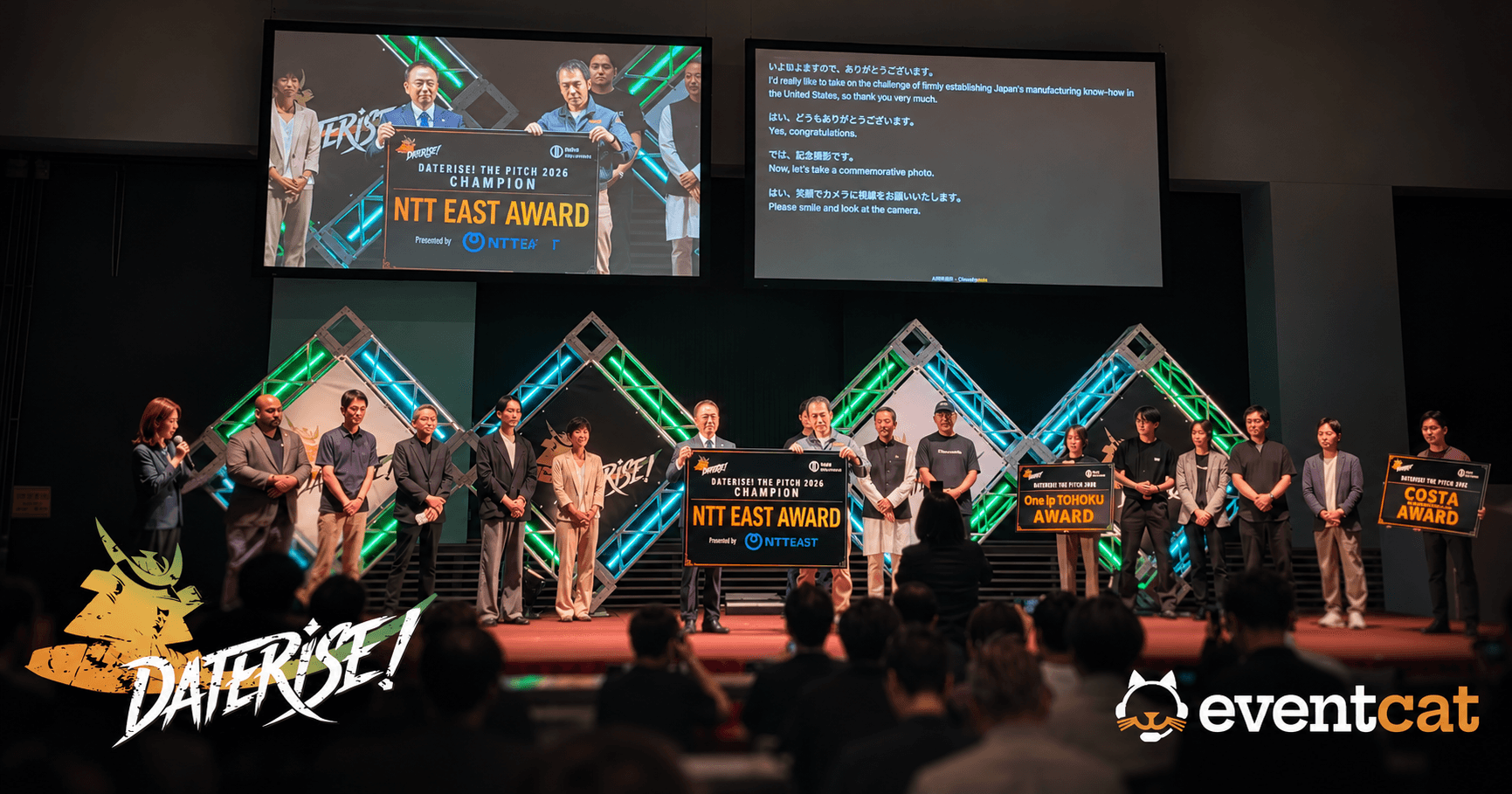
From Tohoku to the World: Real-Time AI Interpretation Demonstrated at DATERISE! 2026
Declan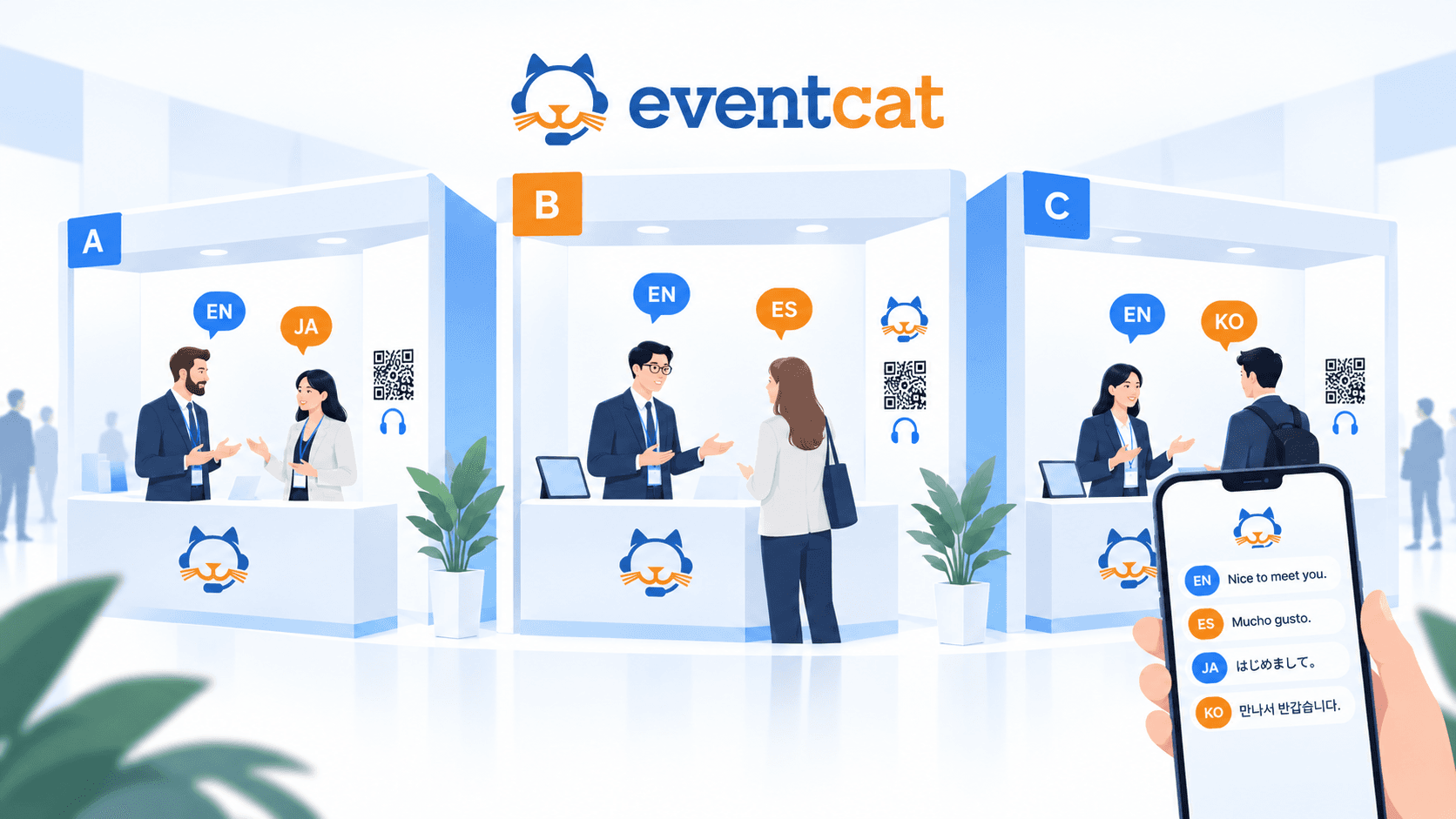
Why Every Booth at an International Trade Show Needs Its Own Translation Setup
Gianella Furino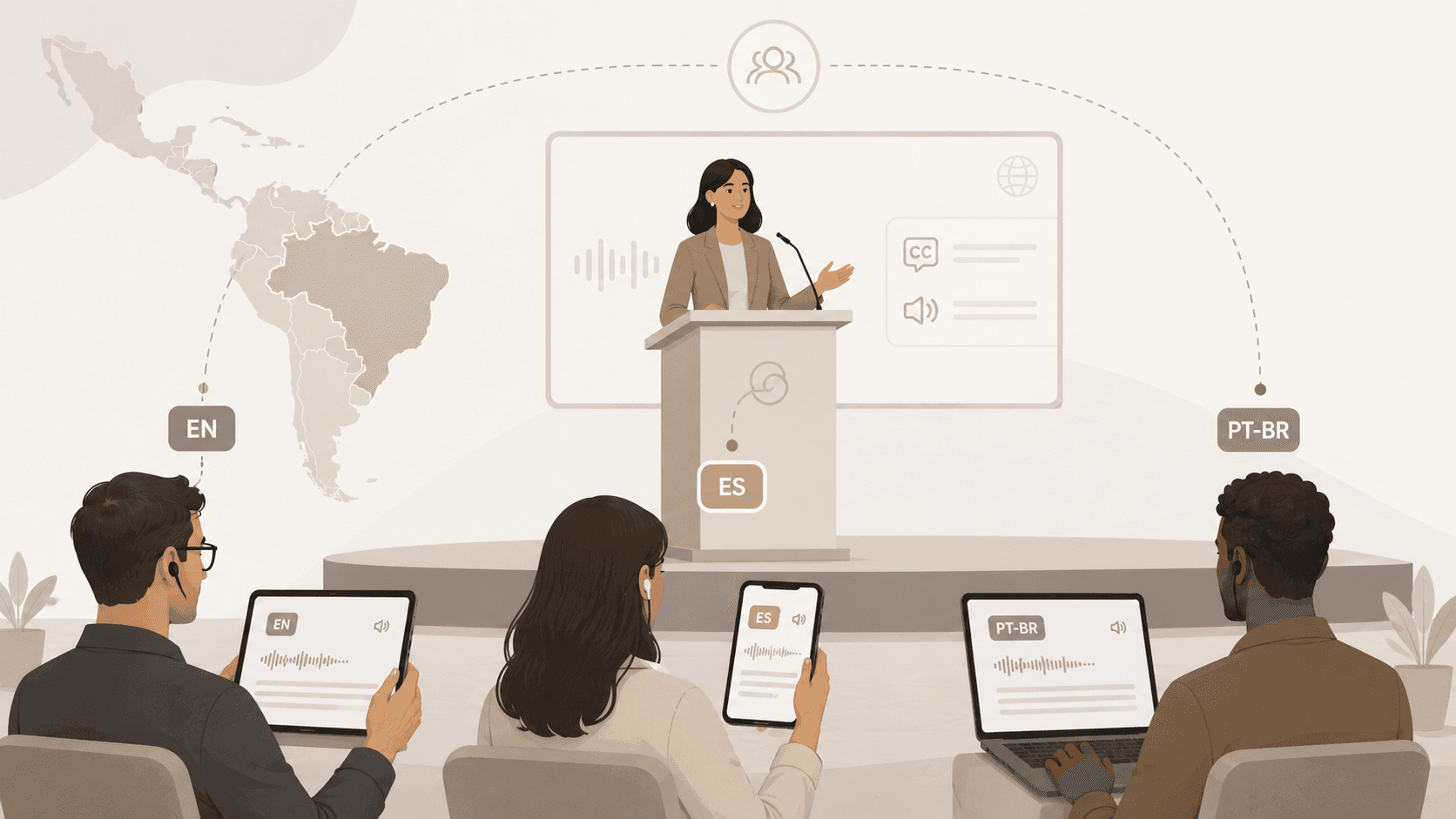
Spanish Isn’t the Only Language in LATAM: How to Plan Events for Spanish- and Portuguese-Speaking Audiences
Gianella Furino