AI Translation for Scientific Poster Sessions
Scientific breakthroughs don't happen in just one language. So why should research discussions?
Imagine spending years working on a groundbreaking discovery, traveling across the world to present it, and finally meeting researchers who could help take your work further, only to struggle with a language barrier. While international scientific conferences often prioritize interpretation for keynote presentations, poster sessions, technical demonstrations, and informal research discussions can receive less multilingual support. Real-time AI translation for scientific conferences offers an opportunity to make these valuable interactions more accessible, ensuring that great ideas don't get lost in translation.
Beyond the Keynote: Where Scientific Communication Really Happens
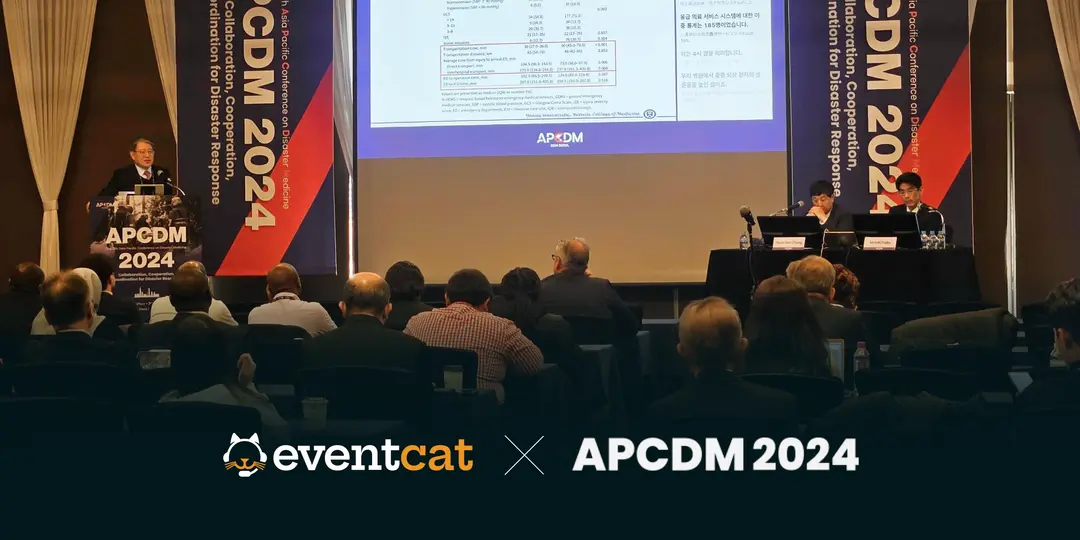
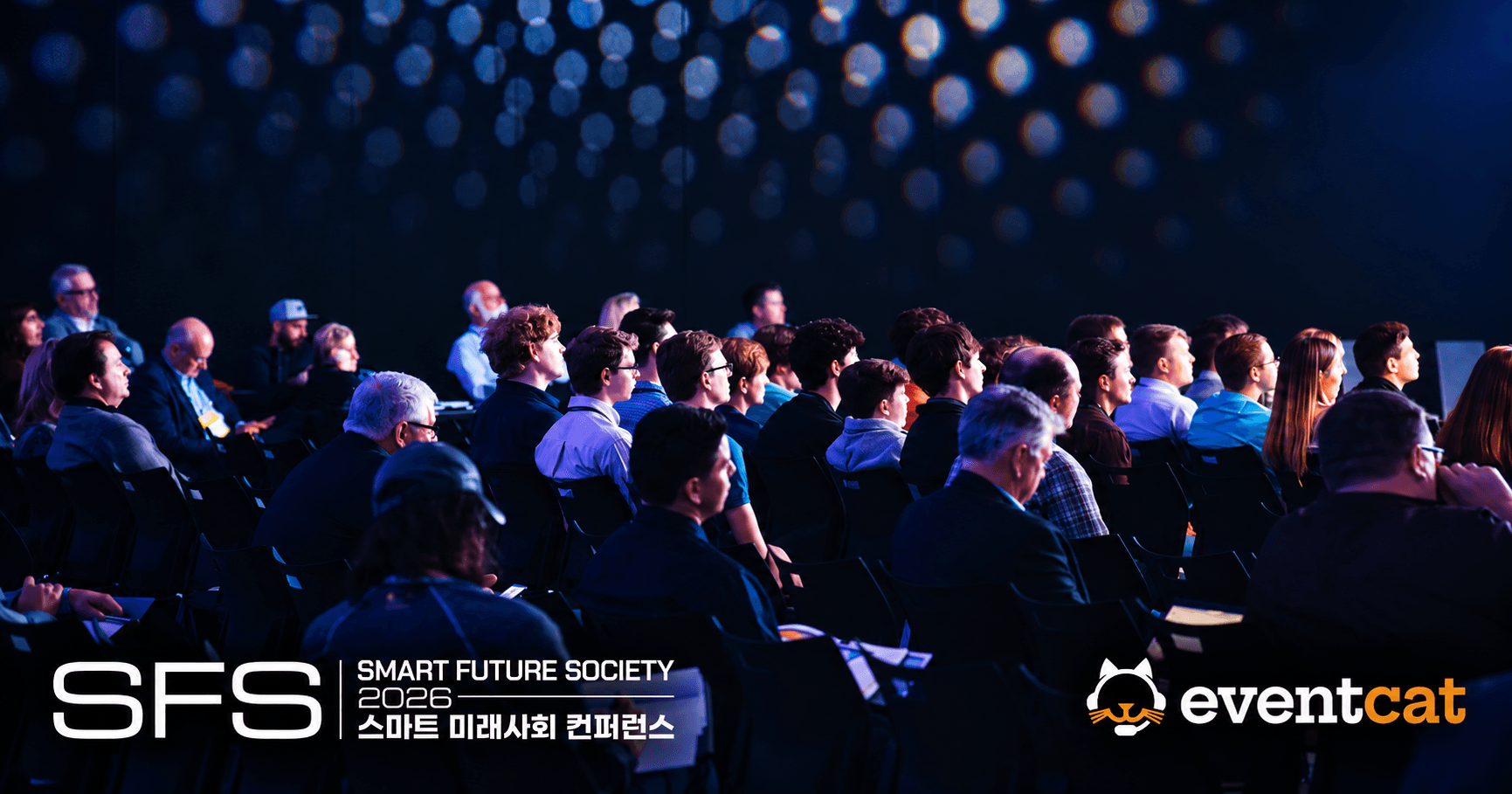
Some of the most meaningful exchanges at academic conferences happen outside the main auditorium. Researchers explain methodologies, challenge findings, exchange feedback, and discover potential collaborators. At the 15th Asia Pacific Conference on Disaster Medicine (APCDM 2024), approximately 1,300 experts gathered to exchange knowledge on emergency medicine and disaster response. EventCAT supported multilingual communication across multiple lecture halls through real-time AI-translated subtitles, helping international attendees follow specialized presentations and discussions. This demonstrates how AI interpretation for scientific conferences can support communication across different sessions, not just on the main stage.
Where Language Barriers Can Affect Research Exchange
Scientific poster sessions: Researchers may struggle to explain their findings to international visitors.
Medical symposiums: Specialized terminology makes clear communication essential.
Technical demonstrations: Complex procedures and research methodologies can be difficult to communicate across languages.
Live Q&A sessions: Spontaneous questions and answers create additional interpretation challenges.
Academic networking: Language differences can make it harder to explore potential research collaborations.
Can AI Translation Handle Complex Scientific Terminology?
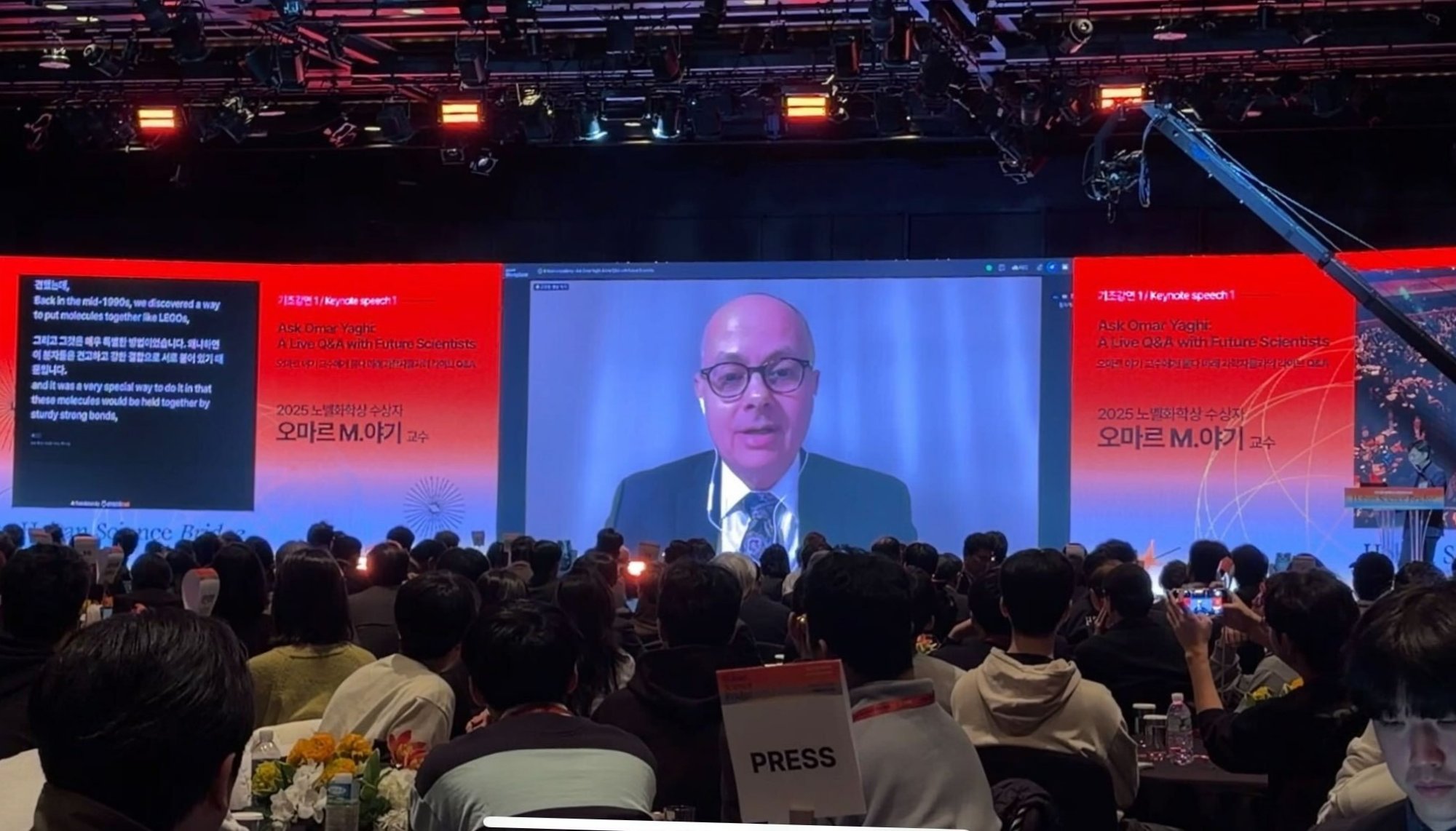
Scientific interpretation involves much more than everyday conversation. Researchers frequently use technical terminology, acronyms, medical expressions, and highly specialized concepts. At K-Science Talent Academy 2026, EventCAT provided real-time Korean-English subtitles during academic presentations and discussions, including a remote lecture by Nobel Prize-winning chemist Omar M. Yaghi. This type of multilingual academic environment highlights why preparing terminology in advance is so important. With EventCAT's customizable glossaries, organizers can prepare scientific vocabulary and institution-specific terms to help improve translation consistency during multilingual research presentations.
Why Technical Glossaries Matter
A well-prepared glossary helps an AI interpretation system handle important terminology more consistently.
Before your next scientific conference, consider including:
Research terminology, abbreviations, and scientific acronyms.
Medical, engineering, or technical vocabulary.
Speaker names, universities, and research institutions.
Laboratory equipment, scientific procedures, and methodology descriptions.
Key terminology from abstracts, presentations, and supporting documents.
Making Complex Medical Discussions More Accessible
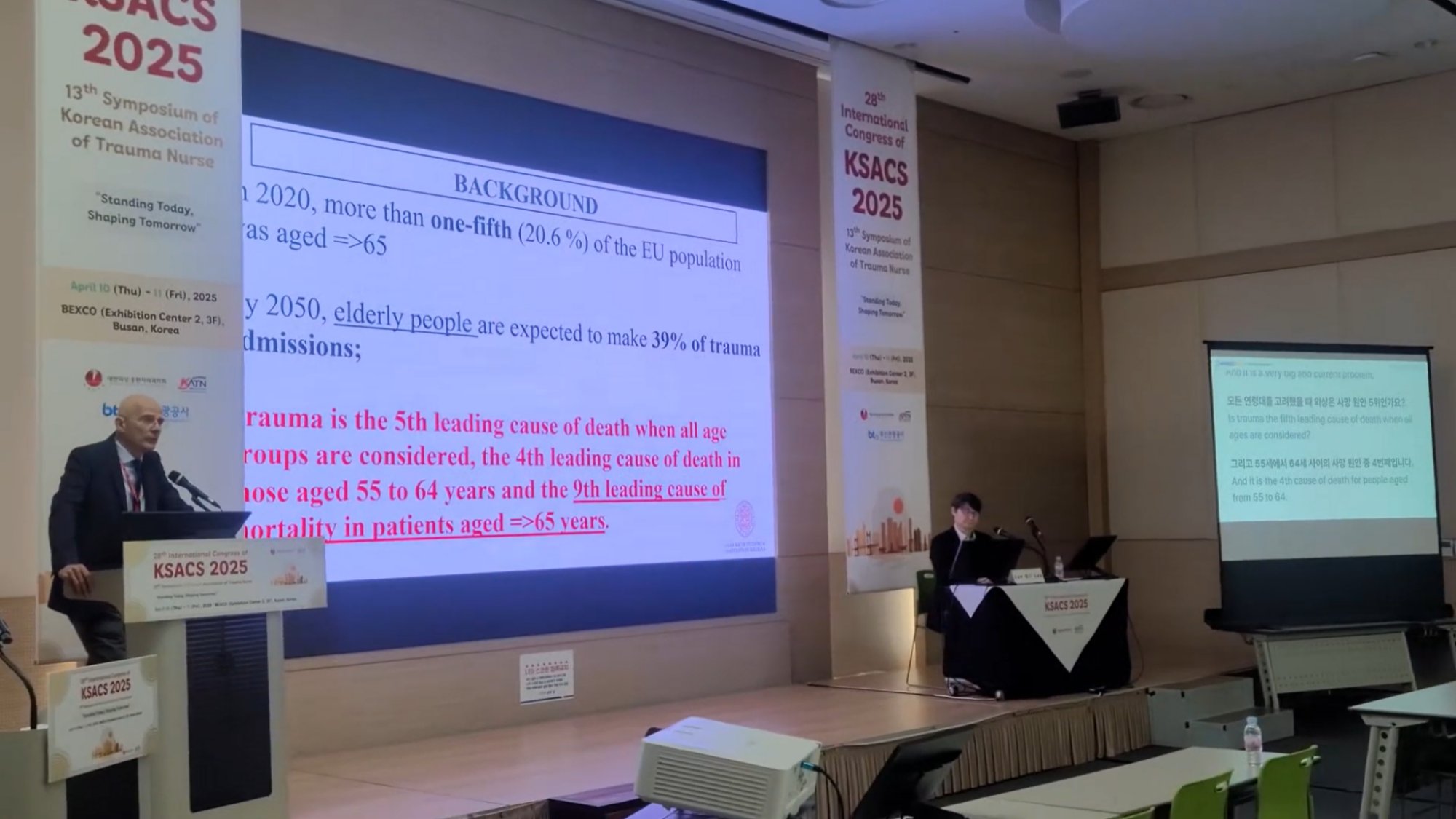
At the 28th Annual International Congress of the Korea Society of Acute Care Surgery and the 13th Symposium of the Korean Association of Trauma Nurses, EventCAT delivered real-time Korean-English subtitles on dedicated screens alongside presentation materials. This allowed attendees to follow specialized medical presentations while keeping the original content visible. For scientific event organizers, it illustrates how AI-powered live translation can make complex information more accessible across languages. Although this implementation focused on conference presentations rather than poster sessions, the same approach to multilingual accessibility could be adapted to smaller research discussions with appropriate audio equipment and session planning.
How Could AI Translation Work for Scientific Poster Sessions?
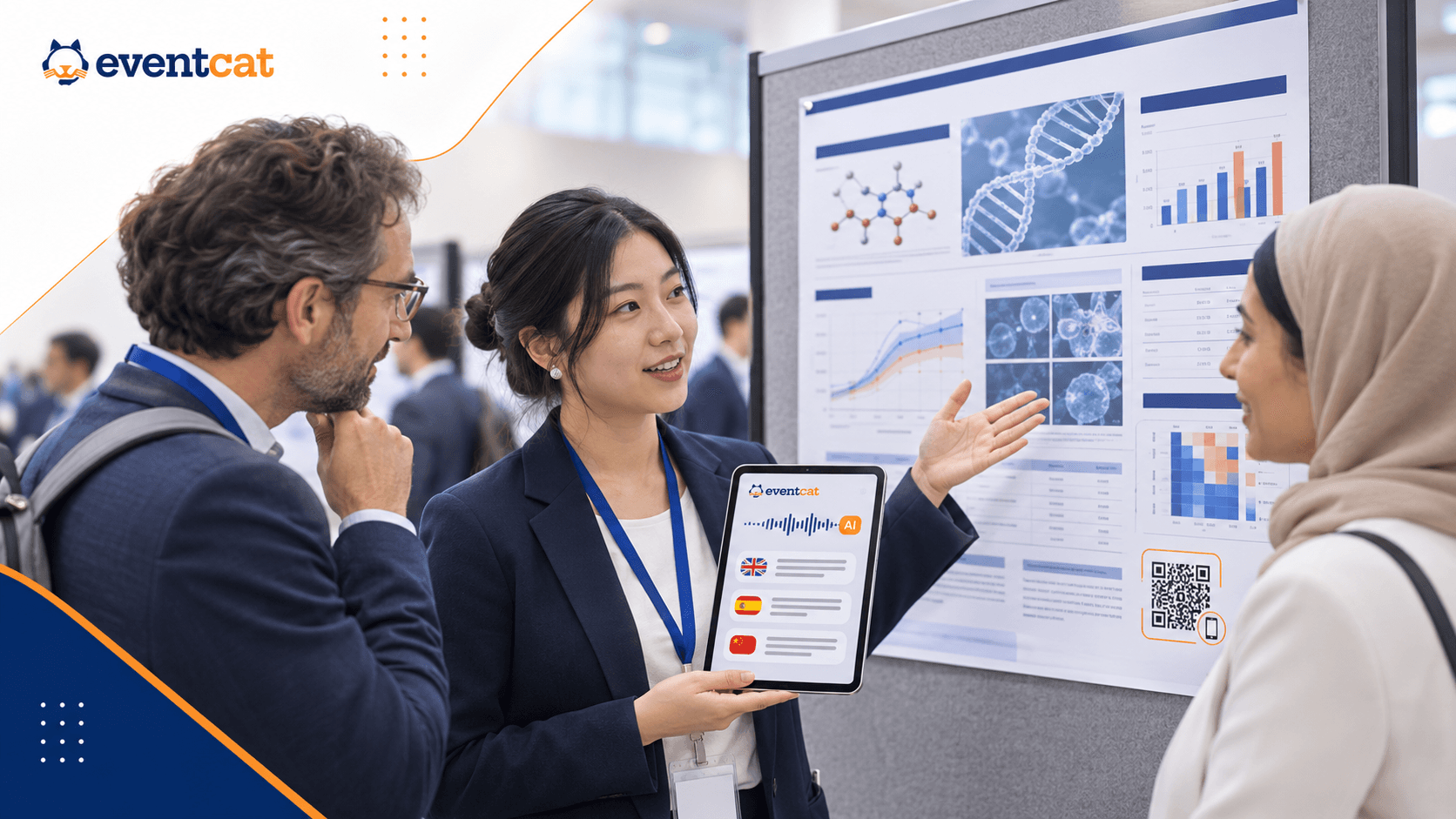
For smaller research presentations, organizers could use EventCAT Conference to provide translated subtitles that visitors access directly from their smartphones.
A practical setup could include:
A microphone: Capture the researcher's explanation clearly.
A QR code: Let international visitors access translations through their mobile browsers.
A customized glossary: Prepare specialized terminology before the presentation.
A reliable internet connection: Support stable translation throughout the session.
For multiple simultaneous poster discussions, organizers should plan separate audio inputs and sessions as needed. Testing is especially important in busy exhibition halls where background noise may affect speech recognition.
A Better Scientific Conference Starts Beyond the Main Stage
Scientific progress depends on the ability to exchange knowledge across borders. From medical conferences such as APCDM 2024 to academic events like K-Science Talent Academy, EventCAT has demonstrated how real-time AI interpretation can support multilingual scientific communication. Extending this approach to scientific poster sessions and smaller research presentations could help event organizers create more opportunities for collaboration, participation, and knowledge sharing. With clear audio, advance terminology preparation, and appropriate human review for critical information, AI-powered translation offers a flexible way to make international research events more accessible.
Make Every Research Conversation Count
Planning an international scientific conference, medical symposium, or academic research event?
Discover how EventCAT can help you deliver real-time multilingual subtitles for scientific presentations, discussions, and international audiences.